Hysterectomy and Incontinence: Before, During, and After

Key Takeaways
-
A hysterectomy can affect bladder control differently depending on the reason for surgery, pelvic floor health, and the stage of recovery, so tracking bladder changes before and after surgery makes conversations with a healthcare provider more useful.
-
Some people are already managing bladder leaks before a hysterectomy, while others notice temporary urgency, stress leaks, or bladder sensitivity during recovery.
-
Heavy Bladder Leaks (HBL) call for adult diapers designed for absorbency, fit, and dryness, rather than lighter products made for small leaks.
-
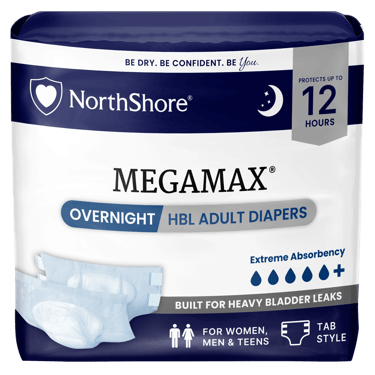
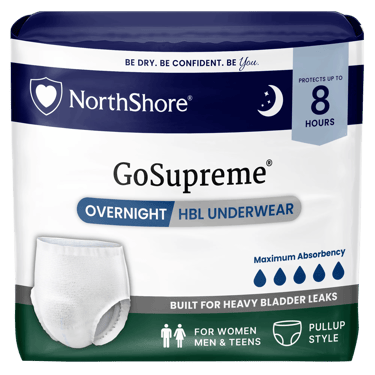
Tab-style adult diapers like MegaMax® make changes easier during early recovery, while GoSupreme® pull-up style underwear offers up to 8 hours of protection as movement returns.
A hysterectomy is a very common surgery for women in the United States, and bladder changes can be part of the conversation before, during, and after recovery.¹ Some people go into surgery already managing leaks related to prolapse, fibroids, endometriosis, pelvic pressure, childbirth history, menopause, or earlier pelvic floor changes. Others notice new urgency, stress leaks, or bladder sensitivity afterward.
Whatever the starting point, incontinence is very common, often treatable, and regardless, can be very manageable. Understanding what is happening at each stage makes it easier to choose the right support and the right protection.
What Causes Bladder Leaks Before a Hysterectomy?
Before surgery, it helps to separate what is already happening from what might change later. Uterine fibroids are the most common reason for hysterectomy, and the American College of Obstetricians and Gynecologists (ACOG) also lists endometriosis, pelvic support problems such as uterine prolapse, abnormal uterine bleeding, chronic pelvic pain, and gynecologic cancer among the conditions it treats.¹ ACOG notes that fibroids can also cause difficulty urinating or frequent urination.².
Leaks that happen with a cough, sneeze, laugh, lift, or workout may point to stress incontinence. Sudden urges that are hard to hold may point to urge incontinence or overactive bladder. Some people experience both.
This distinction matters because a hysterectomy is not a one-size-fits-all bladder reset. ACOG notes that hysterectomy can involve risks such as urinary tract injury, and pelvic support problems may include urinary incontinence when pelvic floor tissues weaken.¹
A bladder diary can make pre-surgery conversations more useful. Tracking when leaks happen, what activity came before them, how often products get changed, and whether leaks are light, moderate, or heavy gives a healthcare provider a clearer baseline to compare against after surgery.
What Bladder Changes Happen During Hysterectomy Recovery?
In the weeks after surgery, the body is healing from anesthesia, tissue changes, inflammation, reduced movement, and changes in pressure around the pelvis. Some people notice temporary urgency, slower emptying, or more sensitivity while healing. ACOG also notes that many people feel tired for two to four weeks after a hysterectomy, though recovery varies by procedure and person.¹
This is where product choice can support recovery. Clothing may feel different around the abdomen, bending may be uncomfortable, and frequent changes can take more effort than usual. Protection that is simple to change and stays secure while resting takes one more thing off the list.
Why Do Leaks Continue or Change After a Hysterectomy?
Some bladder changes improve as swelling goes down and strength returns. Others may last longer, especially when pelvic floor weakness, prolapse, menopause, childbirth history, or pre-existing incontinence were already part of the picture.
New or worsening leaks after surgery deserve a medical conversation, especially alongside pain, trouble emptying the bladder, fever, blood in urine, or sudden loss of control.
What Incontinence Products Work Best After a Hysterectomy?
Early recovery often calls for protection that is easy to change, stays secure while resting, and helps keep skin dry. NorthShore® MegaMax tab-style adult diapers offer up to 12 hours* of protection, and the side tabs allow changes without fully removing clothing. That makes them a strong fit for overnight use, limited mobility, or heavier leaks.
For those who prefer more airflow while resting, MegaMax AirLock™ tab-style adult diapers offer a breathable design with up to 9 hours* of protection.
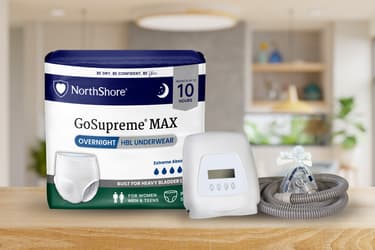
As movement increases, some people prefer GoSupreme pull-up style underwear for errands, appointments, gentle walks, or days when an underwear-like fit feels more flexible. GoSupreme is designed for HBL and offers up to 8 hours* of protection.
*An immediate change is required after a bowel movement.
How to Protect Skin During Hysterectomy Recovery
After surgery, skin may be more sensitive because of reduced movement, medications, sweating, and longer rest periods. Products that wick moisture away from the skin can help reduce the damp feeling that makes recovery more uncomfortable.
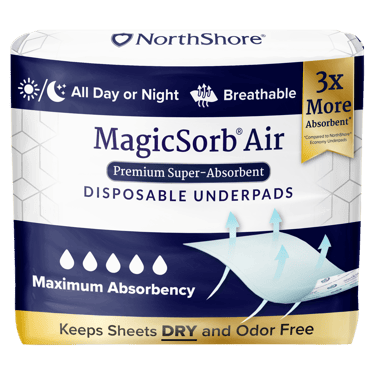
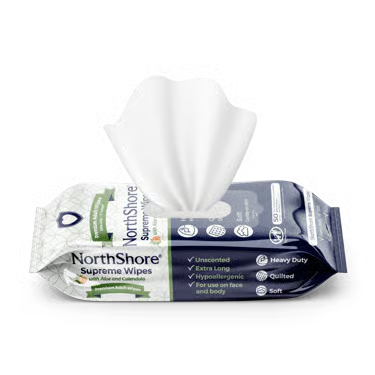
NorthShore Supreme Quilted Wipes can support gentle cleansing during changes, while MagicSorb® Air underpads can help protect beds, recliners, or recovery spaces, especially during the first few weeks when getting up quickly may be harder.
When to Talk to a Doctor About Incontinence After a Hysterectomy
A healthcare provider or pelvic floor physical therapist can help evaluate whether symptoms are related to healing, pelvic floor weakness, prolapse, bladder irritation, or another cause.
Bladder symptoms that interfere with sleep, recovery, work, intimacy, or daily life are worth bringing up. Treatment options, exercises, medications, or therapies may help, depending on the cause, and bringing a bladder diary to the appointment makes that conversation easier to start.
Finding Protection That Supports Healing
A hysterectomy already brings plenty of physical and emotional adjustment, and leaks do not need to take over recovery. The right adult diapers and incontinence products can help keep skin dry, reduce disruptions, and make each stage feel more manageable, so the focus stays on healing and getting back to the things that matter.
The NorthShore Sample Program makes it easy to compare absorbency levels and styles before committing. Request up to 6 free samples, matched through a quick 4-question quiz. Orders placed by 7 pm Central ship the same day in discreet, unmarked boxes to addresses in the contiguous U.S., and shipping charges apply.
For one-on-one guidance, NorthShore's Care Expertsare real people available by call, text, or chat, seven days a week. They offer judgment-free help finding protection for HBL, post-surgery recovery, overnight use, or active days, and they can place a sample order directly.
Frequently Asked Questions
Can a hysterectomy cause incontinence?
Some people notice bladder changes after a hysterectomy, while others had leaks before surgery due to pelvic floor changes, prolapse, fibroids, or other conditions. Temporary urgency or sensitivity can happen during recovery, and changes may last longer when pelvic floor weakness or prolapse was already part of the picture. A healthcare provider can help identify what is causing symptoms.
Is incontinence after a hysterectomy permanent?
Not always. Some bladder changes improve as swelling goes down and strength returns during recovery. Others may need treatment, pelvic floor physical therapy, or more absorbent incontinence products. Tracking symptoms in a bladder diary helps show whether things are improving over time.
What incontinence products are best after a hysterectomy?
For heavier leaks or limited mobility, MegaMax tab-style adult diapers make changes easier and offer up to 12 hours of protection. For more active recovery days, GoSupreme pull-up style underwear offers an underwear-like fit with up to 8 hours of protection. The NorthShore Sample Program makes it easy to try both before choosing.
When are bladder symptoms after a hysterectomy a concern?
Pain, fever, trouble urinating, blood in urine, sudden severe leaks, or symptoms that worsen rather than improve deserve prompt medical guidance. Milder leaks that affect sleep, work, or daily routines are also worth mentioning at a follow-up appointment, since treatment and therapy options may help.
How can someone talk to a doctor about bladder leaks after a hysterectomy?
Specifics make the conversation easier: when leaks happen, what activity came before them, how often products are changed, and whether leaks feel light, moderate, or heavy. A bladder diary captures all of this in one place. A healthcare provider or pelvic floor physical therapist can then help sort out whether symptoms are related to healing, pelvic floor weakness, prolapse, or another cause.
-
American College of Obstetricians and Gynecologists. "Hysterectomy." Frequently Asked Questions.
-
American College of Obstetricians and Gynecologists. "Uterine Fibroids." Frequently Asked Questions.
Products Mentioned In This Article
About NorthShore Care Supply
Founded in 2002, NorthShore Care Supply helps individuals and caregivers find the right protection for heavier leaks, overnight needs, and daily confidence. As the maker of NorthShore® Adult Diapers, we lead in high-performance protection for Heavy Bladder Leaks (HBL) and support #EndHealthStigma. Our expert Customer Care team provides private, compassionate guidance to help people choose products that fit their needs and lifestyle. Follow us on LinkedIn and Facebook @NorthShoreCareSupply, Twitter, Instagram and TikTok @NorthShoreCare.
More Helpful Tips & Resources


Access your List
Connect on social:


