Bowel Changes After Colorectal Surgery: Understanding LARS and How to Manage It

Key Takeaways
-
Bowel dysfunction after rectal surgery has a clinical name: low anterior resection syndrome, or LARS. Between 60% and 90% of people experience some degree of it after a low anterior resection.¹
-
LARS involves urgency, fecal incontinence, stool clustering, and incomplete evacuation, often in combination.² Symptoms are typically most pronounced in the first 12 months and stabilize within about two years.¹
-
Research following patients through early recovery found that while the first months were genuinely difficult, most had developed strategies that let them control their everyday lives within a few months.³
-
Absorbent protection designed for bowel leaks is one of the practical tools patients themselves report using, alongside dietary adjustments and medication.³
Most conversations before colorectal surgery focus on the procedure itself: removing disease, repairing tissue, treating cancer, resolving diverticulitis. What tends to get less attention is what recovery feels like afterward, particularly when bowel control changes.
For anyone experiencing urgency, frequent bathroom trips, loose stools, difficulty distinguishing gas from stool, or leaks during early healing, there are two things worth knowing right away.
The first is that this has a name and a substantial body of research behind it. The second is that most people do find their footing. A study following patients through the first three to six months after sphincter-preserving surgery found that while the early period was genuinely hard, participants had developed strategies that let them control their everyday lives within a few months.³
What Is Low Anterior Resection Syndrome (LARS)?
LARS describes the constellation of bowel symptoms that can follow rectal surgery. It was formally defined in 2012 and is now recognized as one of the most common consequences of sphincter-preserving colorectal procedures.²
Between 60% and 90% of people experience some degree of bowel dysfunction after a low anterior resection.¹ Symptoms are present in up to 75% of patients during the first year.²
The syndrome typically includes:¹ ²
-
Frequent bowel movements, often more than three times daily
-
Urgency, sometimes strong enough to result in incontinence
-
Fecal and gas incontinence, ranging from minor soiling to full loss of control
-
Stool clustering, where multiple bowel movements happen close together over several hours
-
Difficulty emptying completely
-
Trouble distinguishing gas from stool
The reason comes down to anatomy. Removing the rectum alters the normal structure and function of the bowel, surgery can affect the nerves involved in bowel control, and the surgical connection between the colon and remaining rectum influences how everything works afterward.⁴ Less storage capacity means less time between the first signal and genuine urgency.
How Long Does LARS Last?
Symptoms are generally most pronounced within the first 12 months after surgery and tend to stabilize within the first two years.¹ Many people improve substantially during that window.
For some people, though, symptoms persist longer. Research tracking patients over time found that among those with LARS in the first year, up to half still experienced symptoms at ten years.² Severity varies widely, and minor LARS is far more common long-term than major LARS.
That is worth knowing early rather than discovering later. Recovery from LARS is real and common, but it is usually gradual rather than sudden, and planning around a routine that works tends to serve people better than waiting for symptoms to disappear entirely.
What Affects How Significant Symptoms Are?
Several factors influence LARS severity:⁴ ⁵
-
How low the anastomosis sits, with lower connections generally producing more pronounced symptoms
-
Tumor location in the low or middle rectum
-
Whether a protective ileostomy was part of the procedure
-
Radiation or chemotherapy before or after surgery
-
Age, with older patients sometimes experiencing more pronounced symptoms
-
Preexisting bowel dysfunction before surgery
None of these are within a patient's control, which is worth stating plainly. LARS is a consequence of the surgery and the anatomy, not of how well someone has managed their recovery.
What Actually Helps
Conservative management is the standard starting point and includes dietary modifications, medication, and physiotherapy.² A colorectal surgeon or specialist nurse can help identify which foods trigger urgency, whether antidiarrheal medication fits, and whether pelvic floor physiotherapy would help.
For people with major LARS who do not respond to conservative management, additional options exist including transanal irrigation and sacral neuromodulation.² These are worth asking about rather than assuming nothing more can be done.
Patients report a consistent practical toolkit alongside clinical treatment. In research on early recovery, participants described taking antidiarrheal medication, adapting their diet, and using absorbent protection to manage voids.³ That same research found support from healthcare professionals, employers, family, and friends was central to living well with LARS, which makes a good case for describing symptoms plainly to a surgeon rather than a softened version. Specific information is what leads to the treatments and adjustments that help.
Choosing Protection That Fits Recovery
During recovery, bowel function fluctuates. A stable week can be followed by increased urgency, looser stools, fatigue-related accidents, or more nighttime disruption. Products that contain stool effectively and allow fast, clean changes matter more than maximum capacity, since an immediate change is required after a bowel movement regardless.
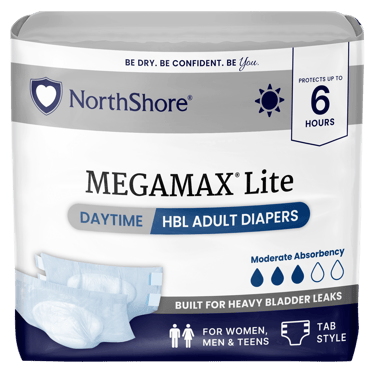
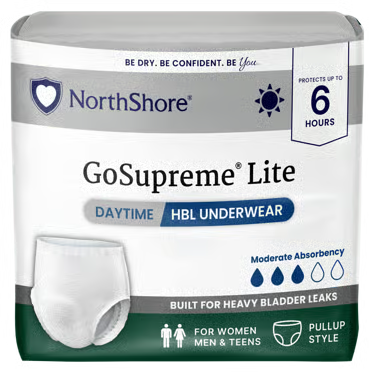
For daytime activity and bowel leaks. GoSupreme® Lite pull-up style underwear has tear-away side seams that allow toilet-friendly removal without fully undressing, plus an extra-long contoured lining for front-to-rear coverage during bowel voids. The breathable, cloth-like material stays comfortable through a full day of movement. MegaMax® Lite tab-style adult diapers offer extra-wide coverage with a smooth plastic exterior that blocks odor more effectively than cloth-like materials, and refastenable tabs that simplify changes without removing clothing. Both provide up to 6 hours of protection in a lower-profile design.
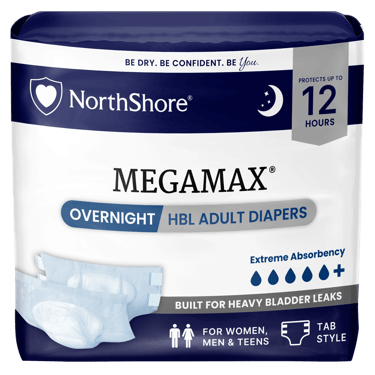
For overnight and longer stretches. MegaMax® provides up to 12 hours of protection with MVP™ (Multi-Void Protection) technology, useful during overnight healing when symptoms are least predictable.
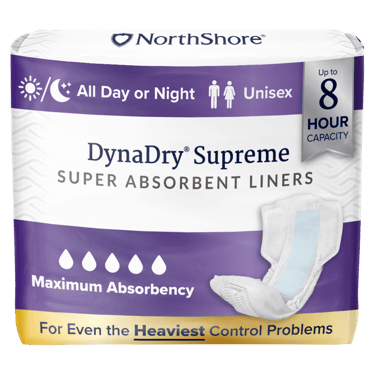
For lighter days and minor soiling. DynaDry® Supreme Liners are unisex liners worn inside regular underwear, offering the absorbency of a lighter adult diaper with extra-tall side leak guards and wider rear coverage in XL and 2XL.
*An immediate change is required after a bowel movement.
Recovery Looks Like Finding a Routine, Not Waiting for One
The most encouraging finding in the research is also the most practical. Participants who struggled significantly in the early weeks after discharge had, a few months later, developed strategies that let them control their everyday lives.³
Not because symptoms vanished, but because they built something that worked: knowing which foods to avoid, when medication helps, what protection to wear for what kind of day, and how to plan an outing without it consuming the whole day.
That is what recovery from LARS usually looks like. Gradual, practical, and genuinely achievable.
The NorthShore Sample Program makes it easier to test different styles and absorbencies at home during recovery, when needs may change week to week. Take a quick 4-question quiz to get matched with recommendations, then choose up to 6 free samples. Orders placed by 7pm Central in the contiguous U.S. ship same day in discreet, unmarked boxes. Shipping charges apply.
NorthShore's Care Experts are real people, available seven days a week by call, text, or chat, offering judgment-free guidance on absorbency options, bowel leak containment, and products suited to post-surgical recovery. They can also place a sample order directly.
Frequently Asked Questions
What is low anterior resection syndrome?
LARS describes the group of bowel symptoms that can follow rectal surgery, including urgency, fecal and gas incontinence, stool clustering, frequent bowel movements, and difficulty emptying completely.² It was formally defined in 2012 and affects between 60% and 90% of people after a low anterior resection.¹
Is bowel incontinence common after colorectal surgery?
Yes. Some degree of bowel dysfunction affects the majority of people after a low anterior resection, with symptoms present in up to 75% of patients during the first year.² The severity ranges from minor soiling to significant loss of control.
How long does LARS last after surgery?
Symptoms are typically most pronounced in the first 12 months and tend to stabilize within about two years.¹ Many people improve substantially during that period. For some, symptoms persist longer, with research finding up to half of those affected in the first year still experiencing symptoms at ten years.²
Why does urgency feel so much stronger after colorectal surgery?Removing the rectum reduces the body's storage capacity and alters the nerve signaling involved in bowel control.⁴ Less storage means less warning time between the first signal and genuine urgency.
What treatments exist for LARS?
Conservative management comes first: dietary modification, medication, and physiotherapy.² For people with major LARS who do not respond to those measures, transanal irrigation and sacral neuromodulation are established options worth discussing with a colorectal specialist.
What products work best during colorectal surgery recovery?
Products designed for bowel leaks rather than light bladder leakage. GoSupreme® Lite offers tear-away sides for fast changes, MegaMax® Lite provides strong odor control and containment, and MegaMax® suits overnight recovery when symptoms are least predictable.
Sources
-
Clinical Management of Bowel Dysfunction After Low Anterior Resection for Rectal Cancer.
-
POLARiS Trial Protocol: Pathway of Low Anterior Resection Syndrome Relief After Surgery.
-
Washington University in St. Louis, Department of Surgery. Low Anterior Resection Syndrome (LARS).
-
The risk factors of low anterior resection syndrome after colorectal cancer surgery.
Products Mentioned In This Article
More Helpful Tips & Resources



About NorthShore Care Supply
Founded in 2002, NorthShore Care Supply helps individuals and caregivers find the right protection for heavier leaks, overnight needs, and daily confidence. As the maker of NorthShore® Adult Diapers, we lead in high-performance protection for Heavy Bladder Leaks (HBL) and support #EndHealthStigma. Our expert Customer Care team provides private, compassionate guidance to help people choose products that fit their needs and lifestyle. Follow us on LinkedIn and Facebook @NorthShoreCareSupply, Twitter, Instagram and TikTok @NorthShoreCare.
Access your List
Connect on social:


