10 Common Myths About Incontinence (And The Truth Behind Them)

Key Takeaways
-
Incontinence affects more people than diabetes and heart disease combined, and about half of those living with it are under 50 — yet outdated assumptions about who experiences it keep people quiet and undertreated.¹
-
Some of the most persistent myths actively make things worse: drinking less fluid can irritate the bladder and increase urgency, and layering standard pads inside an adult diaper causes fluid to pool rather than absorb.
-
Thinner is not better when thin means changing eight or ten times a day. The right product is the one that matches actual absorbency needs, fits properly, and creates the fewest interruptions.
-
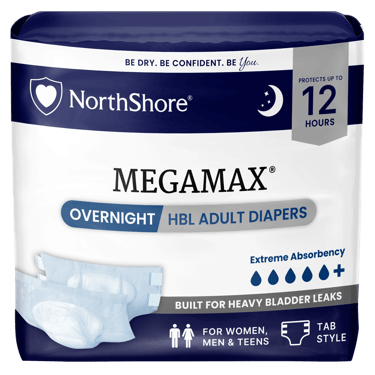
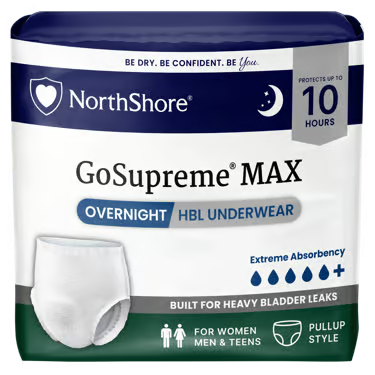
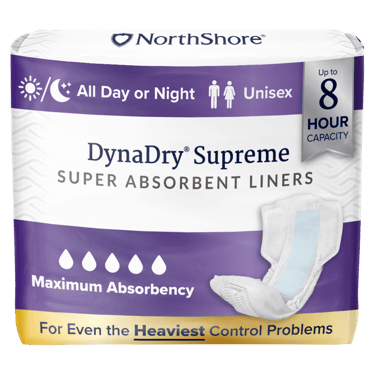
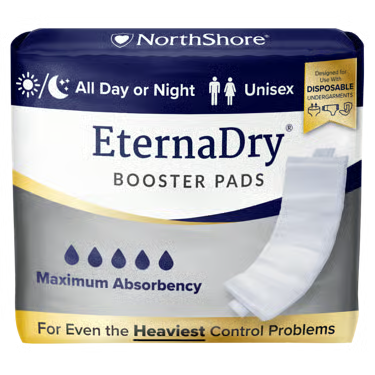
Products designed for Heavy Bladder Leaks (HBL) — including MegaMax® tab-style adult diapers, GoSupreme® Max pull-up underwear, DynaDry® Supreme Liners, and EternaDry® Booster Pads — are built for multiple full bladder releases, not the drips and dribbles most store brands are engineered around.
Incontinence is one of the most common health conditions in the world, yet it's still one of the least talked about. In fact, it affects more people than diabetes and heart disease combined.¹ Despite how common it is, outdated ideas and misinformation continue to shape how many people think about who experiences it, what causes it, and how it should be managed.
Those misconceptions don't just create confusion. They keep people quiet, untreated, and settling for less because they don’t realize better solutions may already be available.
The more we separate fact from fiction, the easier it becomes for people to seek help, make informed decisions, and find the support and products that best meet their needs. Here are 10 of the most common myths about incontinence, and the truth behind each one.
Myth 1: Incontinence Is Rare
The Reality:
Incontinence is far more common than most people realize. It only seems rare because so few people talk openly about it.
Millions of people live with bladder and bowel leaks every day.2 Many others care for a loved one experiencing incontinence, while millions more will develop it themselves later in life. Incontinence isn’t unusual, it’s simply a health condition that has spent far too long hidden behind stigma and silence. The condition is everywhere. The conversation around it is what’s rare.
Myth 2: Incontinence Is an Elderly Issue
The Reality:
The truth is that while the risk of incontinence does increase with age, it can affect people of all ages for many different reasons. In fact, about half of people living with incontinence are under the age of 50.1 Pregnancy, athletic activity, neurological conditions, certain medications, surgery, and chronic health conditions are just some of the many factors that can contribute to bladder or bowel leaks.
And even when incontinence develops later in life, it shouldn’t automatically be dismissed as an inevitable part of aging. Many causes can be treated or managed, making it worthwhile to discuss any symptoms with a trusted healthcare provider.
Myth 3: Incontinence Is Just a Women’s Issue
The Reality:
While incontinence is more common among women, millions of men experience bladder and bowel control problems as well.3 Conditions such as an enlarged prostate, nerve damage, surgery, and certain neurological disorders can all contribute to incontinence in men.
No matter the cause, incontinence is a health issue, not a women’s issue.
Myth 4: Drinking Less Fluid Will Prevent Leaks
The Reality:
Cutting back on fluids may seem like a simple solution. After all, drinking less should mean having to go less, but in reality, it can make incontinence worse. Concentrated urine from dehydration can irritate the bladder, increasing urgency and making leaks even more unpredictable.4
Staying properly hydrated actually supports bladder health. Dehydration can also increase the risk of other health issues, including kidney stones and urinary tract infections.4 The smarter option is to focus on when and what you drink, while spacing fluid intake throughout the day.
Myth 5: Using Incontinence Products Means Treatment Has Failed
The Reality:
Reaching for an adult diaper can feel like admitting nothing else worked, even though products are often what make treatment possible in the first place.
People may need reliable protection before treatment begins, while medications or pelvic floor therapy take effect, during recovery from surgery, or as part of long-term incontinence management.
The right protection doesn’t replace treatment, but it can help people reclaim their normal while managing incontinence.
Myth 6: Thin Is Always Better
The Reality:
Decades of incontinence marketing have trained most of us to believe that “thinner” and “more discreet” automatically means better. But when it comes to incontinence protection, reliability is what matters most of all.
Thin and soft are nice until "thin" means changing eight or ten times a day and planning life around leaks.
The right product is the one that meets a person’s absorbency needs, fits properly, and provides dependable protection while creating the fewest interruptions to daily life.
If you’re not sure where to start, the NorthShore® Care Experts can recommend products based on absorbency, fit, and lifestyle. The goal isn’t simply finding a thinner product; it’s finding one that actually solves the problem.
Myth 7: You Have to Change Your Diaper After Every Leak
The Reality:
Many people assume every leak means it’s time for a change, but with the right protection, that isn’t always the case. High-performance products built for Heavy Bladder Leaks (HBL) can handle multiple full bladder releases while wicking away moisture to help keep skin dry.
NorthShore products featuring MVP™ (Multi-Void Protection) are engineered for up to four full bladder releases, helping reduce unnecessary changes while maintaining dependable protection.
Myth 8: You Want the Heaviest Product for Bowel Incontinence
The Reality:
Because bowel incontinence requires an immediate change after every release, the extended capacity of a high-absorbency overnight product doesn't come into play the way it does for bladder leaks. The product is being disposed of after every bowel movement regardless of remaining capacity. What matters more is comfort between changes, ease of removal, and effective odor control.
Lighter, breathable products tend to be a more comfortable choice for repeated daytime changes — and several are designed specifically with bowel incontinence in mind.
-
For pad-style protection worn inside regular underwear, DynaDry® Supreme Liners offer extra-tall side leak guards, wider rear coverage in XL and 2XL sizes, and a waterproof odor-blocking backing — with a strong adhesive strip that keeps them securely in place for quick changes without needing to remove pants.
-
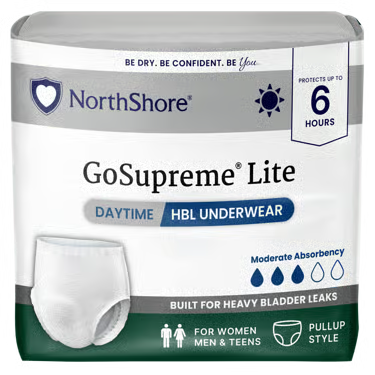
For pull-up style protection,GoSupreme® Lite features tear-away side seams that make removal fast and clean after a bowel movement — no need to step out of shoes or fully undress. The breathable, cloth-like material is comfortable for daytime wear, and the extra-long contoured lining provides front-to-rear coverage.
-
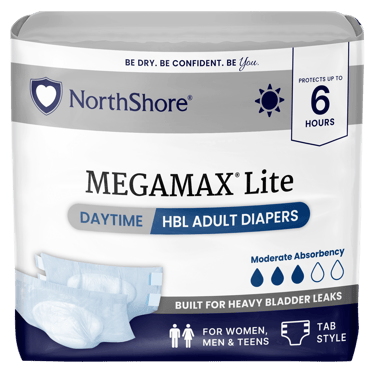
For tab-style protection, MegaMax® Lite offers the same wide coverage and smooth plastic exterior as MegaMax® Overnight — with a lighter absorbency profile better suited for daytime use and frequent changes. The smooth backsheet provides strong odor control, and the refastenable tabs make adjustments easy throughout the day.
Myth 9: Adding Another Diaper or Pad Inside Your Diaper Will Boost Absorbency
The Reality:
Layering products feels like it should mean more protection and longer wear time, but it can actually have the opposite effect.
Most diapers and liners are designed to absorb and lock away fluid themselves, not pass it through to another product. Layering them together can cause urine to pool between the layers, which only increases the risk of leaks, discomfort, and skin irritation.
If more absorbency is the goal, a flow-through booster pad could be a good option. It lets extra fluid pass into the diaper underneath, extending the life of the primary product instead of working against it.
Myth 10: Incontinence Means Giving Up an Active Lifestyle
The Reality:
Managing incontinence doesn’t mean giving up the activities that matter most. Whether it’s exercising, traveling, working, or spending time with family, the right protection can help people continue participating in everyday life with confidence.
Reliable products that fit correctly allow many people to spend less time worrying about leaks and more time focusing on what they enjoy.
Finding the Right Incontinence Protection for Your Needs
There isn't one incontinence product that's right for everyone. The best choice depends on the type of leaks being managed, the level of protection needed, and what works best for each person’s lifestyle.
Understanding the differences between product categories makes it easier to find the right fit.
Diaper-Style Briefs with Tabs
For people managing moderate-to-heavy bladder leaks, bowel incontinence, or both, tab-style briefs provide the highest level of absorbency and a secure, adjustable fit.
With up to 12 hours of dry protection, they’re often a good choice for overnight wear, extended outings, or anyone who needs maximum leak protection throughout the day.
Customer Favorite: MegaMax® Tab-Style Adult Diapers
Pull-Up Style Underwear
Pull-up style underwear looks and feels more like traditional underwear while providing up to 10 hours of dependable protection for HBL.
This style is often preferred by people who want to stay active and more comfortably manage their own changes.
Customer Favorite: GoSupreme® Max
Bladder Pads & Liners
Bladder pads and liners fit inside regular underwear, making them a practical option for light-to-heavy bladder leaks without switching to protective underwear or a tab-style brief.
They are often a good choice for people who want reliable protection with a lower profile.
Customer Favorite: DynaDry® Supreme Unisex Incontinence Liners
Booster Pads / Diaper Doublers
Flow-through booster pads are designed to extend the wear time of a diaper or pull-up style underwear without interfering with absorbency. Unlike standard pads, they allow excess fluid to pass through to the primary product underneath.
They are often a good choice for people who need more absorbency or a longer wear time without switching to a more absorbent diaper or pull-up style underwear.
Customer Favorite: EternaDry® Booster Pads
Guards for Men
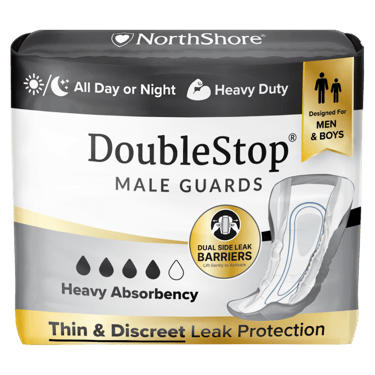
For men managing light to moderate bladder leaks, particularly following prostate surgery, a male guard worn inside regular underwear is often the most practical and discreet option. Unlike a leading store-brand that recently removed its side elastics and meaningful leak protection to their male guards (leaving the pad flat and significantly less effective) DoubleStop maintains the structured, cup-shaped fit and true leak guards that actually keep up.
Customer Favorite: NorthShore DoubleStop® Male Guards
Products to Round Out Your Routine
The right protection is only part of a comfortable incontinence routine. Products like premium wipes, underpads, and disposal bags can help simplify cleanup, protect furniture and bedding, and better manage odors while making day-to-day incontinence management just that little bit easier.
Customer Favorite: NorthShore Clean-Up Bundle
One Final Myth Worth Challenging: Discretion Solves Stigma
For years, people have been told that the goal is to make incontinence invisible. While discreet products certainly have their place, hiding the condition doesn’t make it any less common, and it certainly doesn’t make anyone feel less alone.
Every myth on this list works the same way. Each one is a small, believable reason to stay quiet, settle for the wrong product, or wait longer than necessary to get help. Silence is what preserves stigma, and hiding the problem only makes the solution harder to reach.
By challenging these myths one at a time, we can replace misinformation with practical knowledge and greater confidence. When we give people the right information and support, they can keep living life on their own terms. Once the myth is gone, so is that barrier.
Sources and Notes:
Frequently Asked Questions
What are the biggest misconceptions about incontinence?
Many people mistakenly believe that incontinence is rare, only affects older adults or women, or means giving up an active lifestyle. Others assume that drinking less water, choosing the thinnest product, or layering multiple products will solve the problem. In reality, effective incontinence management starts with accurate information and choosing solutions that match each person's needs.
Is incontinence just a normal part of getting older?
While the risk of incontinence does increase with age, it can affect people of all ages. Pregnancy, neurological conditions, surgery, certain medications, athletic activity, and chronic health conditions are just a few of the many factors that can contribute to bladder or bowel leaks. Even when incontinence develops later in life, it shouldn't automatically be dismissed as an inevitable part of aging. It is important to talk with a trusted healthcare provider about your symptoms.
How do I know which type of incontinence product is right for me?
The best product depends on several factors, including the type of leaks being managed, the desired wear time, and personal preferences. Rather than focusing on finding the thinnest or most absorbent product, it's more important to choose one that fits properly and meets individual needs.
Can I wear more than one incontinence product at a time?
Layering standard diapers or bladder pads generally doesn't improve absorbency because they're designed to absorb and lock away fluid themselves. Doing this can actually have a negative effect and cause more leaks.
If additional absorbency or longer wear time is needed, a flow-through booster pad is designed to work with a diaper or pull-up style underwear by allowing excess fluid to pass through to the primary product underneath.
Do I need to change my incontinence product after every leak?
Not always. Some high-performance products are designed to handle multiple bladder releases while helping keep skin dry. NorthShore products featuring MVP™ (Multi-Void Protection) are engineered to manage multiple bladder releases before requiring a change. Choosing the right product can help reduce unnecessary changes due to bladder incontinence while maintaining dependable protection. However, products should always be changed immediately following a bowel movement.
Products Mentioned In This Article

More Helpful Tips & Resources


About NorthShore Care Supply
Founded in 2002, NorthShore Care Supply helps individuals and caregivers find the right protection for heavier leaks, overnight needs, and daily confidence. As the maker of NorthShore® Adult Diapers, we lead in high-performance protection for Heavy Bladder Leaks (HBL) and support #EndHealthStigma. Our expert Customer Care team provides private, compassionate guidance to help people choose products that fit their needs and lifestyle. Follow us on LinkedIn and Facebook @NorthShoreCareSupply, Twitter, Instagram and TikTok @NorthShoreCare.
Access your List
Connect on social:


