Spinal Cord Injury and Incontinence: What to Expect and How to Manage It

Key Takeaways
-
A spinal cord injury at any level usually affects bladder and bowel control, because the nerves controlling both attach at the base of the spinal cord and can be cut off from brain input.¹
-
Neurogenic bladder takes two forms: overactive, which causes urgency and leaks, and underactive, which causes retention and overflow. Knowing which one is present shapes the entire management approach.²
-
Neurogenic bladder cannot be cured, but it can be managed, and Cleveland Clinic names absorbent products as one of the first things providers recommend for protecting skin, clothing, and daily comfort.²
-
Products designed for Heavy Bladder Leaks (HBL) can reduce disruptions during transfers, overnight care, long outings, and periods when bathroom access is unpredictable.
After a spinal cord injury, bladder and bowel management usually becomes part of daily life fairly quickly. The nerves controlling both attach at the base of the spinal cord, which means an injury at almost any level can interrupt the signals between the brain and these organs.¹
For some people the changes appear immediately. For others, patterns shift throughout rehabilitation as the body responds differently over time. Either way, this is one of the most well-studied aspects of life after spinal cord injury, and there is a lot known about how to manage it well.
Neurogenic bladder cannot be cured.² But it responds to management, and most people find a routine that works. What that routine looks like tends to change as mobility, work, travel, and daily life change, which is less a sign of something going wrong than a normal part of how this gets handled over time.
The goal, long term, is rarely a perfect system. More often it is a flexible one that supports independence, comfort, skin health, and confidence as circumstances shift.
Why Does a Spinal Cord Injury Affect the Bladder and Bowel?
The spinal cord carries electrical signals between the brain and the rest of the body. Those signals tell the bladder when to store urine, when muscles need to relax, when the bladder is full, and when it is time to empty.²
When that pathway is interrupted, the result is neurogenic bladder, also called neurogenic lower urinary tract dysfunction. The same interruption affects the bowel, producing neurogenic bowel dysfunction.¹
Two Types of Neurogenic Bladder, Two Very Different Experiences
This distinction matters more than almost anything else in managing symptoms, and it explains why two people with similar injuries can have opposite problems.
Overactive bladder (also called spastic or hyper-reflexive) tends to produce:²
-
Sudden urges with little warning
-
Loss of bladder control
-
Urinating eight or more times daily
-
Difficulty starting, a slow stream, or dribbling
Underactive bladder (also called flaccid or hypotonic) tends to produce:²
-
A bladder that does not empty fully, or at all
-
Overflow leaks once the bladder becomes too full
-
No ability to sense when the bladder is full
Some people experience elements of both, which can feel particularly frustrating because the bladder may seem simultaneously too full and difficult to empty.
A urologist who specializes in neurourology can determine which type is present through urodynamic testing, which measures bladder capacity, internal pressure, flow, and how completely the bladder empties.² That answer shapes everything downstream, including which medications help, whether catheterization makes sense, and what kind of protection fits the actual pattern of leaks.
Neurogenic Bowel Is Nearly Universal After Spinal Cord Injury
Almost everyone who experiences a spinal cord injury develops some degree of neurogenic bowel dysfunction.³
It usually involves constipation, difficulty evacuating the rectum, and fecal incontinence, often in combination.⁴ That combination is part of what makes bowel management so demanding: the problem is rarely just leaks, and rarely just constipation. Most bowel programs have to address both at once.
Research consistently finds neurogenic bowel dysfunction highly burdensome and correlated with reduced quality of life,⁴ which is worth naming plainly rather than minimizing. It is one of the more difficult parts of life after spinal cord injury, and treating it as a minor logistical matter does not match most people's experience.
Why Rehabilitation Often Changes Bladder Routines Repeatedly
Many people expect bladder management to stabilize once rehabilitation begins. In practice, routines often evolve continuously through the first year.
Transfers, wheelchair positioning, dexterity changes, medications, muscle spasms, caregiver schedules, and mobility improvements all affect what feels manageable day to day. Something as simple as leaving the house can involve new calculations around transfer timing, accessible restroom availability, supplies for longer outings, how long sitting pressure stays comfortable, and whether fatigue will affect reaction time later in the day.
That ongoing adjustment becomes mentally exhausting, particularly during a period when the rest of life is already changing quickly.
Keeping a bladder diary can help make sense of the pattern. Cleveland Clinic recommends recording leaks and what preceded them, fluid intake, output, and timing.² Over a few weeks, patterns emerge that make conversations with a urologist or rehabilitation team significantly more productive.
What Makes Overnight Protection Worth Getting Right
Nights ask more of a product than any other stretch of the day. Repositioning is slower, the gaps between changes are longer, muscle spasms can interrupt sleep, and reduced sensation means a leak may not register right away. For caregivers, overnight routines add their own fatigue on top of everything else.
Which is why getting the overnight setup right pays off more than almost any other adjustment. Protection that holds through the night protects sleep, skin, bedding, and the energy available for the next day.
MegaMax® tab-style adult diapers are built for exactly this, with MVP™ (Multi-Void Protection) technology that locks away multiple voids while maintaining structure through the night. Wheelchair users and caregivers often prefer the refastenable tabs and strong leg elastics, which allow adjustment during transfers and repositioning without a full change. The durable plastic-backed exterior supports strong leak and odor protection
*An immediate change is required after a bowel movement.
Why Skin Protection Is Inseparable From Bladder Management
For people living with spinal cord injuries, skin protection is not a separate concern from incontinence management. It is the same concern.
Moisture exposure, pressure, friction, and prolonged sitting all increase the risk of irritation and skin breakdown, and reduced sensation means damage can progress before it is noticed. Even small leaks become more significant during long periods of sitting, long drives, use of mobility equipment, overnight stretches, or extended wear during appointments.
This is where high-performance protection earns its place. Products built for HBL, including MegaMax® and GoSupreme®, use MVP™ (Multi-Void Protection) to pull moisture away from skin and lock it into the core through multiple bladder releases. The skin stays dry rather than sitting against saturated material, which is a meaningfully different experience than managing leaks with something that reaches capacity and holds moisture at the surface.
NorthShore has seen the difference this makes. In a two-week senior living case study, 80% of participants experienced fewer nighttime changes and more than 99% reported no diaper rash during the study period. Better protection made daily life more comfortable for participants and caregivers alike.
Complications Worth Monitoring
Neurogenic bladder raises the risk of several conditions affecting the urinary system, including repeated urinary tract infections, kidney damage, kidney stones and other stones in the urinary tract, and vesicoureteral reflux, where urine flows backward from the bladder toward the kidneys.²
This is one of the reasons ongoing urological follow-up matters even when a daily routine feels stable. New or worsening symptoms, particularly pain or fever, should be discussed with a provider promptly.²
The Emotional Side Deserves Attention Too
Cleveland Clinic notes directly that neurogenic bladder can make people anxious about going out in public because of worry over leaks or odors, and that this can lead to anxiety, depression, and loneliness.²
That is worth stating plainly, because managing incontinence after spinal cord injury is not simply about staying dry. It affects energy levels, social confidence, intimacy, travel, transportation logistics, work routines, and how safe someone feels moving through public spaces.
Independence also starts looking different than it once did. For some people it means mastering self-catheterization. For others it means finding products that allow longer outings without anxiety, protecting sleep overnight, returning to work comfortably, or reducing the number of transfers required during the day. Those victories are personal and usually invisible to everyone else.
They are also more common than the silence around them suggests. The NorthShore Hero Club is a community of customers and caregivers who have shared their own experiences openly, including people managing spinal cord injuries, neurogenic bladder, and the daily logistics that come with both. NorthShore also maintains a directory of incontinence support organizations covering a range of conditions and caregiving situations.
Needs May Continue Changing for Years
Even long after injury, routines continue to evolve. Changes in mobility, aging, medications, caregiver support, work schedules, surgeries, or secondary health conditions all affect what feels practical.
Many people move between products depending on the situation:
-
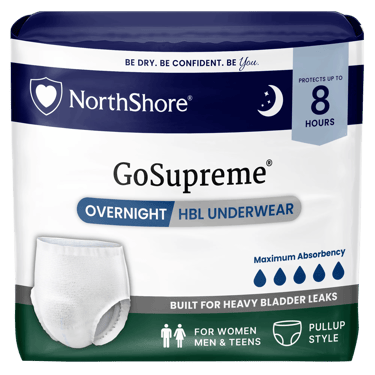
GoSupreme® pull-up style underwear for daytime rehabilitation or active outings
-
MegaMax® tab-style adult diapers overnight or during longer travel days
-
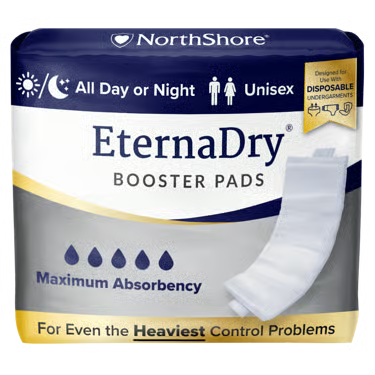
EternaDry® Booster Pads during periods of increased overnight output
-
MagicSorb® Air Underpads for beds, wheelchairs, couches, or recliners
The goal is rarely perfection. More often it is a routine that reduces stress, protects skin, and frees up energy for living rather than constantly managing accidents.
Finding a Setup That Works
Bladder and bowel management after spinal cord injury can feel isolating at first, particularly when routines become far more complex than they used to be. Over time, most people build systems that make work, relationships, travel, hobbies, exercise, parenting, and social life accessible again, even when those systems look different than before.
The NorthShore Sample Program makes it easier to compare absorbency levels, overnight options, and product styles at home. Take a quick 4-question quiz to get matched with recommendations, then choose up to 6 free samples. Orders placed by 7pm Central in the contiguous U.S. ship same day in discreet, unmarked boxes. Shipping charges apply.
NorthShore's Care Experts are real people, available seven days a week by call, text, or chat, offering judgment-free guidance on extended wear, overnight protection, wheelchair use, skin sensitivity, and bowel leak management. They can also place a sample order directly.
Frequently Asked Questions
Can a spinal cord injury cause incontinence?
Yes, and it usually does. The nerves controlling bladder and bowel function attach at the base of the spinal cord, so an injury at almost any level can cut them off from brain input.¹ The result is neurogenic bladder, neurogenic bowel dysfunction, or both, which may produce urgency, retention, leaks, or reduced sensation around timing.
Will bladder control return after a spinal cord injury?
Neurogenic bladder cannot be cured, though symptoms sometimes improve and sometimes worsen over time.² Most people manage symptoms successfully through some combination of lifestyle adjustments, medication, catheterization, and absorbent protection. Most do not require surgery. A provider can give a clearer picture based on the type of neurogenic bladder and its cause.
What is the difference between overactive and underactive neurogenic bladder?
Overactive bladder produces urgency, frequent urination, and loss of bladder control. Underactive bladder produces retention, an inability to sense fullness, and overflow leaks once the bladder becomes too full.² Urodynamic testing determines which type is present, and that answer shapes which treatments and products fit best.
Why are overnight leaks common after spinal cord injury?
Reduced sensation, limited ability to reposition, muscle spasms, longer stretches between changes, and fatigue all make overnight leaks harder to catch and manage. Higher-capacity protection designed for extended wear reduces both the frequency of overnight disruptions and the moisture exposure that threatens skin health.
What products help with Heavy Bladder Leaks after spinal cord injury?
Cleveland Clinic notes that providers often recommend absorbent products first, not as a treatment but as a practical way to prevent wetness and odor while protecting skin and clothing.² MegaMax® tab-style adult diapers suit overnight wear, transfers, and travel. GoSupreme® works well for active daytime routines. MagicSorb® Air Underpads protect beds and seating surfaces.
What complications should people with neurogenic bladder watch for?
Higher risk of repeated urinary tract infections, kidney damage, kidney stones, and vesicoureteral reflux.² Ongoing urological follow-up matters even when a routine feels stable, and symptoms suggesting infection, particularly pain or fever, warrant prompt attention.
Sources
-
Cleveland FES Center. Urology / Pelvic Health: Spinal Cord Injury Programs.
-
Cleveland Clinic. Neurogenic Bladder: Causes, Symptoms & Management.
-
Johns J, Krogh K, Rodriguez GM, et al. Management of Neurogenic Bowel Dysfunction in Adults after Spinal Cord Injury:Clinical Practice Guideline for Health Care Providers. Journal of Spinal Cord Medicine. 2021.
-
Neurogenic Bowel Dysfunction in Patients with Spinal Cord Injury and Multiple Sclerosis: An Updated and Simplified Treatment Algorithm.
Products Mentioned In This Article


More Helpful Tips & Resources



About NorthShore Care Supply
Founded in 2002, NorthShore Care Supply helps individuals and caregivers find the right protection for heavier leaks, overnight needs, and daily confidence. As the maker of NorthShore® Adult Diapers, we lead in high-performance protection for Heavy Bladder Leaks (HBL) and support #EndHealthStigma. Our expert Customer Care team provides private, compassionate guidance to help people choose products that fit their needs and lifestyle. Follow us on LinkedIn and Facebook @NorthShoreCareSupply, Twitter, Instagram and TikTok @NorthShoreCare.
Access your List
Connect on social:


