Crohn's Disease and Bowel Incontinence: Finding Protection That Actually Works

Key Takeaways
-
As many as 7 in 10 people living with Crohn's disease or ulcerative colitis experience bowel incontinence (aka fecal incontinence) — a far more common experience than most people realize.
-
Most store-brand products are designed for light bladder leaks and often fall short during a Crohn's flare, which can involve heavier output, urgency, and the need for quick changes.
-
High-performance incontinence products like MegaMax® Lite, GoSupreme® Lite, and DynaDry® Supreme are designed specifically for bowel incontinence, offering higher absorbency, secure containment, and odor control built for the realities of IBD.
For many people living with Crohn's disease, bowel urgency, accidents, and unpredictable symptoms can influence everything from grocery shopping to family gatherings. One difficult experience with a bowel leak can make someone think twice about the next outing.
That experience is far more common than most people realize. Many people blame themselves after an accident, or may even feel shame or embarrassment. They assume they waited too long, ate the wrong thing, or didn't plan carefully enough. In reality, many products sold in stores were never designed for the heavy, unpredictable output that can accompany a Crohn's flare.
Most store-brand products are designed for occasional bladder leaks. Crohn's disease bowel incontinence presents a different challenge entirely. Reliable bowel incontinence protection starts with products designed for the realities of living with IBD.
Why Does Crohn's Disease Cause Bowel and Urinary Incontinence?
Crohn's disease is a type of Inflammatory Bowel Disease (IBD) that causes inflammation in the digestive tract.
This inflammation can lead to diarrhea, urgency, frequent bowel movements, and difficulty reaching a restroom in time. For some people, the result is bowel incontinence, also called fecal incontinence.
Crohn's disease can also contribute to urinary symptoms. Frequent restroom trips, pelvic floor dysfunction, inflammation, and related health issues may increase the likelihood of bladder leaks for some individuals.
Because symptoms often change over time, many people experience periods when they need additional protection for both bowel and bladder accidents.
What Types of Fecal Incontinence Are Common with Crohn's Disease?
Two types of fecal incontinence are especially common among people living with Crohn's disease.
Urge Incontinence
Urge incontinence occurs when the need to have a bowel movement becomes sudden and overwhelming. Even when a restroom is nearby, there may not be enough time to get there.
Passive Incontinence
Passive incontinence occurs when stool leaks without warning or awareness until afterward.
Some people experience one type more frequently than the other, while others experience both, depending on symptom severity and disease activity.
Why Is Bowel Incontinence More Common Than People Think?
Bowel incontinence can feel isolating, but it is far from rare. Research from Crohn's and Colitis UK suggests that as many as 7 in 10 people living with Crohn's disease or ulcerative colitis experience fecal incontinence at some point.
Many never discuss bowel incontinence openly. Some assume it is simply part of living with IBD. Others stop trusting incontinence products because previous experiences left them disappointed.
Living with Crohn's disease is challenging enough. Protection should not make it harder.
Why Do Store-Brand Products Fall Short During Crohn's Flares?
Most store-brand products are designed for light bladder leaks. A Crohn's flare can involve heavier output, repeated accidents, overnight symptoms, and urgency that doesn't always allow time for a product change.
People managing bowel incontinence often need:
-
Higher absorbency
-
A secure fit around the legs and waist
-
Protection designed for all-day and overnight wear
-
Products that help contain bowel odors
-
Reliable protection for heavy control problems
When products aren't built for these situations, leaks can happen even when they are being used correctly.
What Are the Best Adult Diapers and Incontinence Products for Crohn's Disease?
Managing bowel incontinence with Crohn's disease means having products designed specifically for the realities of urgency, odor control, and quick, dignified changes — not the light bladder leak protection found on most store shelves. Store-brand products are typically built for occasional drips, with minimal attention to containment, coverage, or ease of removal during a flare.
Premium incontinence products engineered specifically for bowel leaks prioritize tall leak guards, wide rear coverage, odor-blocking materials, and convenient change features that support real-world use with confidence and dignity. Depending on symptom severity, mobility, and lifestyle, different product types offer different advantages.
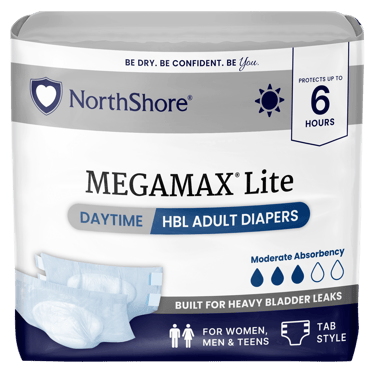
MegaMax® Lite 6-Hour Diaper Style Briefs
For daytime wear and more frequent changes, MegaMax Lite offers the same extra-wide coverage and odor-blocking plastic exterior as the original MegaMax, with a lighter absorbency suited to active days. Tall stand-up leak guards, leg cuffs, and waistband elastics provide secure containment, while large refastenable tape tabs keep the fit adjustable as needs change throughout the day.
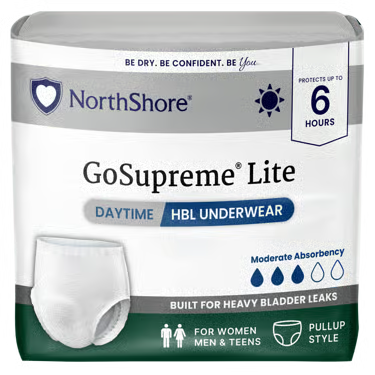
GoSupreme® Lite 6-Hour Pull-Up Underwear
For people who prefer the independence of pull-up style underwear, GoSupreme Lite offers lightweight, breathable protection for both bladder and bowel incontinence. An extra-long contoured lining provides front-to-rear coverage, and tear-away side seams allow for quick, toilet-friendly removal after a bowel movement — a meaningful feature for anyone managing urgency.
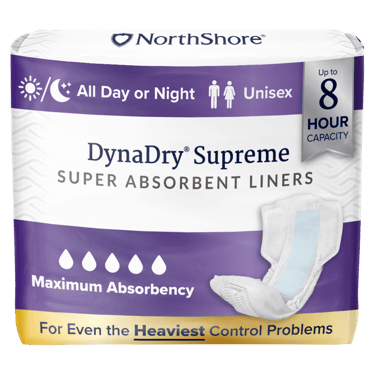
DynaDry® Supreme Heavy Incontinence Unisex Liners
For those who want a lighter, more discreet option, DynaDry Supreme Liners deliver adult-diaper-level absorbency in a pad format worn with regular underwear. Extra-tall side leak guards and wider rear coverage in XL and 2XL sizes are specifically designed to support bowel urgency, and a strong adhesive strip allows for quick changes without removing pants — ideal for people managing bowel incontinence who value independence and discretion.
NorthShore products are engineered for people whose needs go beyond what store brands were designed to handle. Simply put: leaks stop here.
Practical Tips for Managing Crohn's Disease and Bowel Incontinence
Products matter, but daily habits matter too. Many people find it helpful to:
-
Keep a food and symptom diary to identify patterns and triggers
-
Follow dietary guidance from healthcare providers
-
Discuss bowel and bladder symptoms openly with medical professionals
-
Explore pelvic floor exercises when recommended by a provider
-
Keep supplies available for unexpected symptom changes
Many people find that tracking symptoms and identifying triggers gives them a greater sense of control when flare-ups happen.
Find the Right Protection for Crohn's Disease
Living with Crohn's disease already takes enough energy. Protection should not make it harder — and finding the right fit shouldn't take a lifetime of trial and error.
The NorthShore Sample Program makes finding the right fit and style simple. A quick 5-question quiz walks through what protection is needed (bladder, bowel, or both), absorbency level, preferred style, and sizing, then matches personalized product recommendations based on the answers. From there, select up to 6 free samples and have them delivered discreetly to the door — just pay shipping.
If questions come up along the way, NorthShore's Customer Care Experts are real people, available seven days a week by call, text, or chat. They've talked through every question, every flare, and every frustration with people navigating Crohn's and IBD, and they're ready to offer product recommendations, sizing guidance, and practical advice in a respectful, judgment-free environment. No question is too personal, and no situation is too complicated to talk through.
Frequently Asked Questions
Q: Is bowel incontinence common with Crohn's disease?
A: Yes. Studies suggest that up to 7 in 10 people living with Crohn's disease or ulcerative colitis experience fecal incontinence at some point.
Q: What causes bowel incontinence in Crohn's disease?
A: Inflammation, diarrhea, urgency, and changes in bowel function can all contribute to bowel incontinence during active disease and flare-ups.
Q: What are the best adult diapers for Crohn's disease?
A: Many people prefer products designed for Heavy Control Problems, such as MegaMax, because they offer higher absorbency, secure containment, and protection that goes beyond what many store-brand products provide.
Q: Can Crohn's disease cause bladder leaks too?
A: Yes. Some people with Crohn's disease experience urinary urgency or bladder leaks in addition to bowel symptoms.
Q: What Crohn's disease fecal incontinence products offer the most protection?
A: Products designed specifically for HBL and bowel incontinence, including MegaMax Lite, GoSupreme Lite, and DynaDry Supreme, provide absorbency, containment, and odor control features intended for more demanding situations.
Products Mentioned In This Article
More Helpful Tips & Resources


About NorthShore Care Supply
Founded in 2002, NorthShore Care Supply helps individuals and caregivers find the right protection for heavier leaks, overnight needs, and daily confidence. As the maker of NorthShore® Adult Diapers, we lead in high-performance protection for Heavy Bladder Leaks (HBL) and support #EndHealthStigma. Our expert Customer Care team provides private, compassionate guidance to help people choose products that fit their needs and lifestyle. Follow us on LinkedIn and Facebook @NorthShoreCareSupply, Twitter, Instagram and TikTok @NorthShoreCare.
Access your List
Connect on social:


