PCOS and Bladder Control: What Women Should Know About Urgency, Leaks, and HBL

Key Takeaways
-
Polycystic Ovary Syndrome (PCOS) — recently renamed Polyendocrine Metabolic Ovarian Syndrome (PMOS) by researchers — affects an estimated 1 in 10 women of reproductive age worldwide and is increasingly recognized as a condition that can affect bladder habits alongside its better-known hormonal and metabolic effects.¹
-
According to the Bladder and Bowel Community, some women with PCOS experience urgency, stress incontinence, and nocturia — linked to high androgen levels, insulin resistance, and pelvic floor changes.²
-
Bladder symptoms with PCOS often feel inconsistent because the underlying drivers — hormones, sleep, stress, hydration, and medications — fluctuate week to week, making protection that adapts to different days especially important.
-
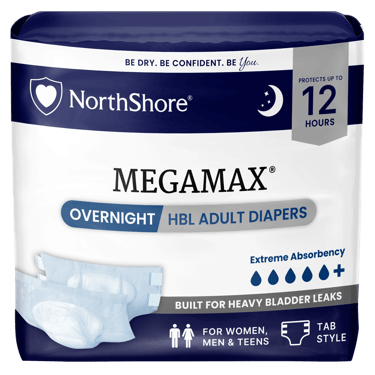
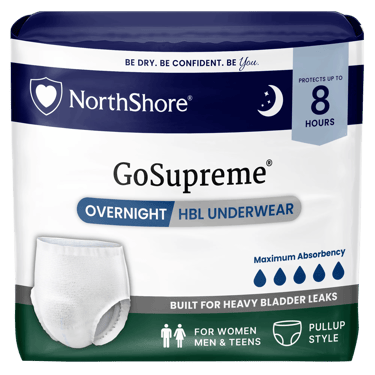
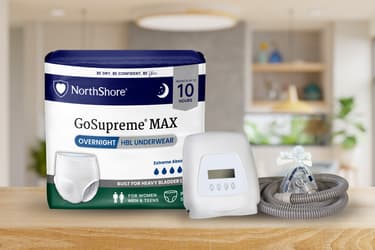
GoSupreme® pull-up underwear and MegaMax® tab-style adult diapers are designed specifically for Heavy Bladder Leaks (HBL) and can help women with PCOS manage both daytime and overnight bladder changes with less disruption.
Polycystic Ovary Syndrome (PCOS) is one of the most common hormonal conditions in women, and one of the least talked about in its full complexity.
Most conversations about PCOS focus on irregular periods, fertility challenges, weight gain, acne, and insulin resistance. Those are real and significant. But for many women, PCOS also quietly shows up in the bathroom. More frequent trips. Stronger urgency. Overnight waking that wasn't there before. A commute that suddenly requires more mental planning.
Worth noting: in 2026, researchers published a consensus paper in The Lancet proposing a new name for the condition — Polyendocrine Metabolic Ovarian Syndrome, or PMOS — to better reflect its hormonal and metabolic nature rather than focusing solely on the ovarian cysts. Most people still know it as PCOS, and both terms refer to the same condition.¹
That avoidance isn't neutral. Every time the word "diaper" gets replaced with a softer term, it quietly reinforces the idea that the real word is too embarrassing to say — and that whatever someone is managing must be too embarrassing to talk about directly.
Bladder changes with PCOS rarely announce themselves dramatically. They tend to accumulate — small interruptions that layer on top of everything else the condition already brings. Understanding why they happen is the first step toward managing them without letting them run the day.
What Is PCOS and Why Does It Affect So Many Body Systems?
According to the Mayo Clinic, PCOS is a hormonal condition characterized by irregular or absent periods, excess androgen activity, and in some cases, small fluid-filled follicles on the ovaries.¹ It affects an estimated 1 in 10 women of reproductive age and is one of the leading causes of infertility.²
What makes PCOS particularly complex is that it doesn't affect just one system. Hormonal imbalances, insulin resistance, inflammation, metabolic changes, and sleep disruption can all occur simultaneously — and all of them have downstream effects on how the body functions, including how the bladder behaves.
The Bladder and Bowel Community notes that PCOS affects around 1 in 5 women and tends to run in families.² While there is no cure, symptoms are manageable — and that includes bladder symptoms, which are more common with PCOS than most women realize.
Does PCOS Cause Bladder Problems? What the Research Shows
PCOS does not directly cause bladder conditions, but research confirms it can significantly increase the likelihood of bladder symptoms through several overlapping mechanisms.
A study published through the National Institutes of Health found that women with PCOS have a significantly higher prevalence of urinary incontinence compared to women without the condition.³ Overactive bladder symptoms — including urgency and frequency — were among the most commonly reported.
The Bladder and Bowel Community identifies two primary reasons why women with PCOS are more likely to experience bladder issues:²
High androgen levels. Many women with PCOS have elevated testosterone, and research suggests these high androgen levels may contribute to bladder instability and urgency.
Pelvic surgery. Women who have had abdominal procedures related to PCOS — including hysterectomy — may experience weakened pelvic floor muscles that reduce bladder support.
Additionally, insulin resistance, one of the hallmark features of PCOS, can influence thirst regulation and fluid balance — contributing to increased fluid intake, more frequent urination, and larger-than-expected voids.³
What PCOS-Related Bladder Symptoms Actually Feel Like
For many women, PCOS-related bladder changes don't feel like a single dramatic event. They feel like accumulation.
A grocery run starts revolving around restroom locations. Long appointments become harder to sit through comfortably. Exercise classes feel harder to relax into. Sleep is already fragmented from hormonal disruption — then overnight bathroom trips start too.
Some women first notice symptoms during ordinary moments: needing the bathroom again halfway through a meeting, waking at 2am with urgency, or realizing a familiar commute suddenly requires much more planning.
Bladder symptoms linked to PCOS may include:
-
Urgency — a sudden, intense need to urinate with little warning
-
Stress incontinence — leaks triggered by coughing, sneezing, laughing, or exercise
-
Nocturia — waking one or more times overnight to use the bathroom
-
Frequency — needing to urinate more often than usual throughout the day
-
Larger-than-expected voids related to insulin resistance and increased fluid intake
Symptoms may also feel inconsistent week to week, especially during periods where sleep, stress, medications, or hormonal patterns are harder to manage. That unpredictability is one of the most frustrating aspects — and one of the strongest arguments for having reliable protection on hand even during relatively stable periods.
The Connection Between Insulin Resistance and Frequent Urination
Insulin resistance is present in the majority of women with PCOS, regardless of weight.³ It affects how the body processes glucose and regulates fluid balance — and those effects extend to the bladder.
For some women, insulin resistance may contribute to:
-
Increased thirst throughout the day and overnight
-
Higher fluid intake and correspondingly higher urine output
-
More frequent urination
-
Waking multiple times overnight with urgency
-
Larger voiding volumes that standard light bladder leak products aren't designed to handle
When repeated wettings become harder to manage, products designed specifically for HBL make a real difference. NorthShore MegaMax® tab-style adult diapers feature MVP™ (Multi-Void Protection) technology, designed to handle multiple full voids while keeping skin drier — a meaningful distinction from light bladder leak products that weren't engineered for this level of output.
Why Overnight Symptoms Feel Especially Draining
Sleep disruption is already one of the more debilitating aspects of PCOS for many women. Hormonal fluctuations, blood sugar instability, overheating, anxiety, and inconsistent cycles can all interfere with restful sleep before bladder symptoms even enter the picture.
When nocturia or overnight leaks become part of the routine, the cycle becomes harder to break. Poor sleep heightens stress. Stress worsens hormonal symptoms. Worsened hormonal symptoms affect bladder sensitivity. And disrupted nights make everything harder the next day.
Reliable overnight protection can help interrupt that cycle by removing one source of disruption.
MegaMax® tab-style adult diapers are designed for HBL and extended overnight wear, providing up to 12 hours of protection with MVP™ technology that handles multiple voids while keeping skin dry.
*An immediate change is required after a bowel movement.
What Can Actually Help: Clinical Strategies Worth Discussing With a Provider
PCOS-related bladder symptoms are manageable — and the Bladder and Bowel Community outlines several evidence-informed approaches worth discussing with a healthcare provider:²
Pelvic floor exercises. Strengthening the pelvic floor muscles can reduce stress incontinence and urgency. A pelvic floor physical therapist can assess whether strengthening or relaxation work is the right starting point — since an overly tight pelvic floor can worsen urgency rather than improve it.
Bladder training. A structured approach to gradually extending the time between bathroom trips can help retrain urgency responses over time.
Reducing bladder irritants. Caffeine and carbonated drinks are among the most common bladder irritants. Reducing intake can meaningfully decrease urgency and frequency for some women.²
Hormonal management. The combined contraceptive pill is sometimes used to lower testosterone levels in PCOS — and since elevated androgens may contribute to bladder instability, hormonal management may have indirect bladder benefits as well.²
Medical and surgical options. For more significant bladder symptoms, antispasmodic medications, injectable therapies, and surgical procedures are available options — all worth discussing with a specialist.
Different Days May Need Different Levels of Protection
PCOS creates a moving target. Symptoms fluctuate with the cycle, stress levels, sleep quality, medications, and seasons. What works on a manageable Tuesday may not be enough for a travel day, a long event, or a week when everything feels harder.
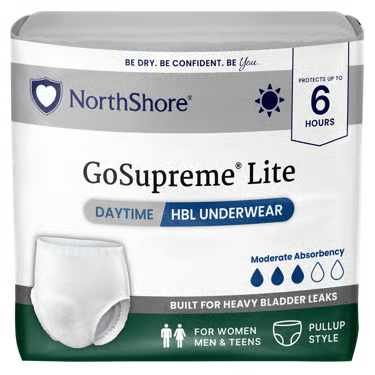
For active daytime routines, GoSupreme® pull-up style underwear offers a familiar, underwear-like fit with strong HBL protection for up to 8 hours and MVP™ technology. For a lighter fit, GoSupreme® Lite provides the same body-close fit with up to 6 hours of daytime protection.
For longer stretches without convenient restroom access — overnight travel, road trips, packed schedules, or unpredictable symptom days — MegaMax® provides the capacity and structure to handle heavier output without interruption.
More specific language gives healthcare providers a clearer picture. Useful details include:
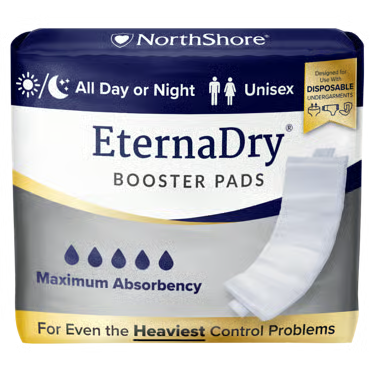
For an added layer of absorbency during especially demanding periods, EternaDry® Booster Pads can be placed inside any brief or pull-up to extend wear time without a full product change.
Building a Routine That Adapts as PCOS Does
PCOS rarely stays the same. Medications change. Sleep patterns shift. Seasons affect hormonal patterns. Life gets more or less demanding. An incontinence routine that works well during a stable period may need to flex during a harder one.
The goal isn't to find a perfect system and lock into it forever. It's to have options available that can adapt when symptoms shift — so bladder changes don't become the thing that dictates what's possible.
NorthShore's Sample Program makes finding the right fit easier. Take a quick 4-question quiz to get matched with up to 6 free samples — try them at home before committing to a full order. Orders placed by 7pm Central in the contiguous U.S. ship same day in discreet, unmarked boxes. Shipping charges apply.
NorthShore's Care Experts are real people available by call, text, or chat 7 days a week — ready to help match products to overnight needs, daytime routines, comfort preferences, and HBL protection, all judgment-free. They can also place a sample order directly.
Frequently Asked Questions
Can PCOS cause urinary incontinence or bladder leaks?
Yes. Research published through the NIH found that women with PCOS have a significantly higher prevalence of urinary incontinence than women without the condition.³ The connection runs through several mechanisms: elevated androgen levels, insulin resistance, and in some cases, weakening from pelvic surgery.²
What bladder symptoms are most common with PCOS?
The most commonly reported bladder symptoms in women with PCOS include urgency, stress incontinence (leaks during coughing, sneezing, or exercise), nocturia (waking overnight to urinate), and frequent urination throughout the day.² ³ Some women also experience larger-than-expected voids related to insulin resistance and increased fluid intake.
Why do bladder symptoms feel inconsistent with PCOS?
PCOS affects multiple systems simultaneously — hormones, sleep, stress response, metabolism, and fluid balance — all of which fluctuate. When several of those factors overlap or worsen at the same time, bladder symptoms tend to become more noticeable. This is why symptoms that feel manageable one week can suddenly feel more disruptive the next.
What incontinence products work best for women with PCOS?
Products designed for HBL rather than light bladder leaks are better suited for the volume and frequency patterns associated with PCOS-related bladder symptoms. GoSupreme® pull-up underwear works well for active daytime routines. MegaMax® tab-style adult diapers are designed for overnight wear and heavier symptom days. EternaDry® Booster Pads can extend wear time during especially demanding periods.
Does pelvic floor therapy help with PCOS-related incontinence?
Yes. The Bladder and Bowel Community identifies pelvic floor muscle exercises as one of the most effective conservative treatments for urgency and stress incontinence related to PCOS.² A pelvic floor physical therapist can assess whether strengthening or relaxation work is the right approach, since an overly tight pelvic floor can worsen urgency.
-
Mayo Clinic. Polyendocrine Metabolic Ovarian Syndrome (PMOS) / Polycystic Ovary Syndrome (PCOS): Symptoms and Causes.
-
Bladder and Bowel Community. Polycystic Ovary Syndrome (PCOS): Symptoms and Treatments.
Products Mentioned In This Article
More Helpful Tips & Resources


About NorthShore Care Supply
Founded in 2002, NorthShore Care Supply helps individuals and caregivers find the right protection for heavier leaks, overnight needs, and daily confidence. As the maker of NorthShore® Adult Diapers, we lead in high-performance protection for Heavy Bladder Leaks (HBL) and support #EndHealthStigma. Our expert Customer Care team provides private, compassionate guidance to help people choose products that fit their needs and lifestyle. Follow us on LinkedIn and Facebook @NorthShoreCareSupply, Twitter, Instagram and TikTok @NorthShoreCare.
Access your List
Connect on social:


