Exercising With Confidence: Incontinence Products Built to Move With Every Workout
Key Takeaways
-
Secure incontinence protection can make exercise feel more manageable by helping reduce worries about leaks, fit, and bathroom access during workouts.
-
Matching protection to the workout matters: MegaMax AirLock adds breathability for heat and movement, and GoSupreme pull-up style underwear provides a streamlined option for shorter activities.
-
Pelvic floor and core exercises such as Kegels, bridges, bird dogs, and modified planks can strengthen the muscles that support bladder control and help build confidence over time.
Whether it's a hike, a new dance class, or a personal best on the rowing machine, exercise puts the body under a different kind of pressure than daily movement does. Running adds repeated impact. Strength training involves bracing the core. Even slower practices like yoga can hold tension in the same muscles for extended periods.
Over time, that combination of movement, effort, and duration can make bladder control feel different during a workout than it does for the rest of the day. That does not mean exercise needs to be avoided. It means having the right plan and the right protection in place so it stays part of a routine, not something to work around.
Why Does Exercise Affect Bladder Control Differently Than Daily Activity?
Exercise combines several factors that daily life usually does not ask the body to handle all at once: sustained impact, core engagement, elevated heart rate, and time. Running and jumping create repeated jolts that put pressure on the pelvic floor. Strength training relies on bracing the abdominal muscles, which increases pressure in the pelvic region. Even low-impact practices like yoga or Pilates hold certain positions long enough that fatigue can set in in the same muscles that support bladder control.
None of this is a sign that something is wrong. It is simply a different physical demand, and it helps explain why bladder control during a workout can feel less predictable than it does during a normal day, even for people who otherwise manage symptoms well.
How Can Someone Manage Incontinence During a Workout They Can't Easily Pause?
Once a workout starts, stepping away is not always simple. In a class setting, leaving mid-session can feel disruptive. Outdoors, the nearest restroom might be a mile away. Even during structured strength training, scheduled rest periods do not always line up with what the body actually needs in the moment.
That unpredictability is part of what makes exercise feel harder to manage than everyday activities for people dealing with incontinence. Planning ahead, rather than reacting in the moment, tends to make the biggest difference.
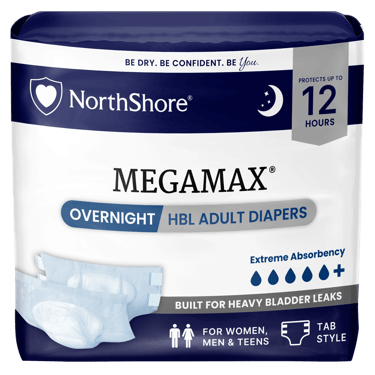
For longer or more demanding workouts, many people start with protection built for Heavy Bladder Leaks (HBL). MegaMax® tab-style adult diapers are designed for extended wear, up to 12 hours, with MVP™ (Multi-Void Protection) technology built to handle multiple wettings. That combination provides consistent coverage during longer training sessions, hikes, or classes where stepping out isn't an option.
Which NorthShore Products Offer the Best Fit and Breathability for Exercise?
What feels comfortable at the start of a workout can change as the session goes on. Body temperature rises, clothing fits differently once it's damp with sweat, and small issues, like a seam shifting or fabric bunching, tend to become more noticeable the longer a workout lasts. That is why fit and breathability matter just as much as absorbency. When a product stays securely in place, it is easier to stay focused on the workout instead of adjusting or second-guessing fit.
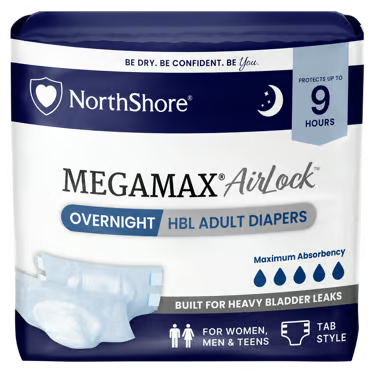
For sessions where heat and movement are the biggest factors, such as cardio classes, running, or summer workouts, MegaMax® AirLock offers up to 9 hours of HBL-level protection with a cloth-like, breathable exterior designed to reduce heat buildup during activity.
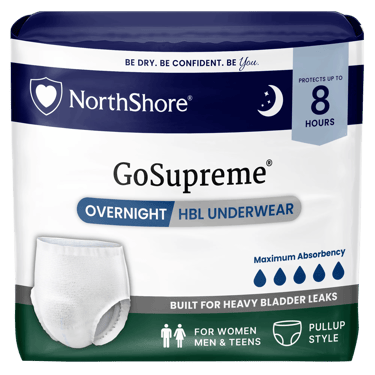
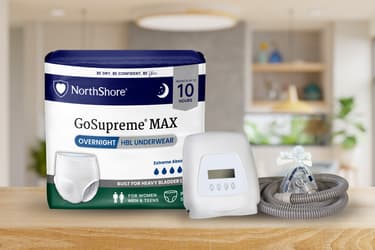
For shorter or lower-impact sessions, a pull-up style option can be easier to manage. GoSupreme® pull-up style underwear offers up to 8 hours of HBL-level absorbency in a streamlined, underwear-like design that pulls on and off quickly, which is useful for a fast change between a workout and the rest of the day.
An immediate change is required after a bowel movement.
What Exercises Help Strengthen Bladder Control?
Certain types of movement can support better bladder control over time by strengthening the muscles involved in continence. These exercises are simple enough to build into a regular routine and do not require equipment.
Kegel Exercises
Pelvic floor exercises (Kegels) target the muscles that control urination directly. To find the right muscles, try stopping the flow of urine midstream, or imagine tightening the muscles used to hold back gas. Once the right muscles are identified:
-
Tighten the pelvic floor muscles and hold for 5 seconds.
-
Relax completely for 5 seconds.
-
Repeat for 10 repetitions, three times a day.
-
As strength builds, gradually increase the hold time up to 10 seconds per contraction.
It helps to keep the stomach, thighs, and buttocks relaxed during each contraction and to breathe normally throughout, rather than holding the breath.
Bridges
Lie on the back with knees bent and feet flat on the floor, hip-width apart. Tighten the abdominal and glute muscles, then lift the hips toward the ceiling until the body forms a straight line from shoulders to knees. Hold for 3 to 5 seconds, then lower slowly. Repeat for 10 to 12 repetitions.
Bird Dogs
Start on the hands and knees, with wrists under shoulders and knees under hips. Extend one arm straight forward while extending the opposite leg straight back, keeping the hips and shoulders level. Hold for 2 to 3 seconds, then return to the starting position and switch sides. Repeat 8 to 10 times per side.
Modified Planks
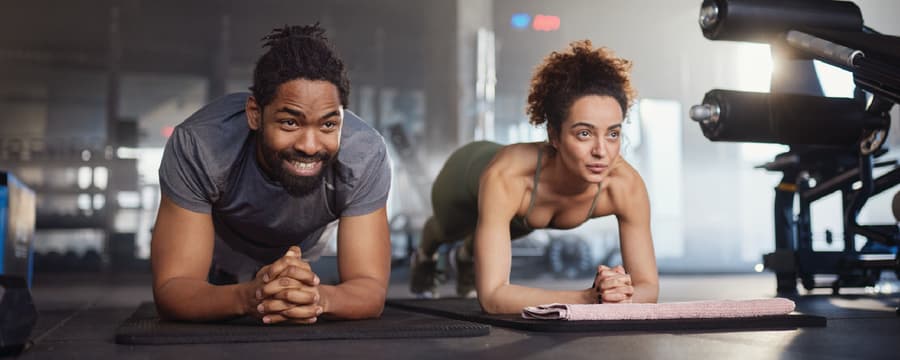
Start on the forearms and knees rather than the toes, keeping the body in a straight line from head to knees. Engage the core and hold the position for 15 to 30 seconds, working up to longer holds as strength improves.
According to Harvard Health Publishing, core exercises like these, which strengthen the abdominal and hip muscles, can also help support the pelvic floor indirectly.¹ Lower-impact activities like walking or gentle strength work tend to be easier to manage while building confidence, and yoga or Pilates can help by improving coordination between breathing and movement.
Do Shorter Workouts Still Help With Incontinence and Fitness Goals?
Workouts do not need to be long to be worthwhile. Starting with shorter sessions, such as 10 to 15 minutes, and gradually building up over time tends to feel more manageable, both physically and in terms of bladder control. Several shorter sessions spread across a day or week can offer similar benefits to one longer workout, without the added pressure of managing a long stretch without a break.
This approach can also make it easier to test how the body responds to different types of movement, and to figure out which products and habits work best before committing to longer or more intense sessions.
Keeping Exercise Part of a Regular Routine
Exercise does not need to follow a fixed formula to be worthwhile. It can be structured or flexible, short or long, social or solo. What matters most is that it feels possible to keep coming back to it in a way that fits naturally into daily life.
For anyone exploring different options, NorthShore's free sample program offers up to 6 free samples, matched through a short, 4-question quiz. Orders placed by 7 pm Central ship the same day in discreet, unmarked boxes anywhere in the contiguous United States (standard shipping charges apply). This makes it possible to try different products in real workout conditions before committing to a full case. NorthShore Care Experts are also available by call, text, or chat, seven days a week, judgment-free, and can help place a sample order directly.
*An immediate change is required after a bowel movement.
Frequently Asked Questions
Can exercise affect bladder control even when daily activities don't cause issues?
Yes. Exercise often combines more impact, more sustained effort, and longer duration than everyday movement, all of which put additional pressure on the pelvic floor. It is common for bladder control to feel less predictable during a workout even when it feels manageable the rest of the day.
What works best for longer workouts where stopping isn't easy?
Many people prefer protection designed for Heavy Bladder Leaks (HBL) for longer or less predictable sessions, since it is built to handle multiple wettings over an extended period. MegaMax with MVP™ technology is one option built specifically for this kind of extended coverage.
Do different workouts call for different products?
Often, yes. Matching protection to the length, intensity, and heat level of a workout, rather than using one product for everything, tends to create a more comfortable and consistent routine. A breathable option may work better for a hot cardio class, while a quick pull-on style may be easier for a short walk or yoga session.
How often should Kegel and core exercises be done to see a difference?
Consistency matters more than intensity. Kegel exercises are often recommended in sets of 10 repetitions, three times a day, and core exercises like bridges or bird dogs can be added a few times a week. Improvements in strength and coordination typically build gradually over several weeks of regular practice.
Is it safe to start an exercise routine while managing incontinence?
For most people, yes, and staying active is generally encouraged. Starting with shorter, lower-impact sessions and building up gradually can help build confidence and reduce the chance of feeling overwhelmed. Anyone with specific health concerns or a recent surgery or diagnosis should check with a healthcare provider before starting a new exercise routine.
Sources
-
Harvard Health Publishing. "Exercises that go easy on the bladder."
Products Mentioned In This Article
More Helpful Tips & Resources

About NorthShore Care Supply
Founded in 2002, NorthShore Care Supply helps individuals and caregivers find the right protection for heavier leaks, overnight needs, and daily confidence. As the maker of NorthShore® Adult Diapers, we lead in high-performance protection for Heavy Bladder Leaks (HBL) and support #EndHealthStigma. Our expert Customer Care team provides private, compassionate guidance to help people choose products that fit their needs and lifestyle. Follow us on LinkedIn and Facebook @NorthShoreCareSupply, Twitter, Instagram and TikTok @NorthShoreCare.
Access your List
Connect on social:


