Epilepsy and Bladder Control: What You Should Know

Key Takeaways
-
Epilepsy can affect bladder control during and after seizures due to temporary disruptions in brain signaling and muscle coordination — a recognized neurological response, not a personal failing.
-
Not everyone with epilepsy experiences bladder leaks, but when they do occur, they're often associated with generalized tonic-clonic seizures and the postictal recovery phase.
-
Seizure-related bladder changes are unpredictable by nature, making reliable, high-absorbency protection especially important during both the seizure and the recovery period that follows.
-
With the right protection, supportive routines, and guidance, bladder control challenges related to epilepsy can be managed in a way that helps protect confidence and independence.
Understanding the Link Between Epilepsy and Bladder Control
Epilepsy affects nearly 3 million U.S. adults, according to the Centers for Disease Control and Prevention.¹ It affects how the brain communicates with the rest of the body — and during a seizure, those signals can become disrupted in ways that extend beyond movement or awareness to include bladder function.
Not everyone with epilepsy experiences bladder leaks. When they do occur, they're most commonly associated with generalized tonic-clonic seizures, although they can occur with other seizure types as well.² For some people, bladder leaks happen during a seizure. For others, they occur afterward during the recovery period, when the brain and body are still regaining coordination. It's a recognized medical response — not a personal failing — and one that deserves greater awareness.
How Seizures Affect Bladder Control
Bladder control depends on coordinated communication between the brain, nerves, bladder, and pelvic floor muscles. During a seizure, that communication can be temporarily disrupted in several ways.²
Temporary disruption of brain-bladder communication
The brain normally coordinates when the bladder stores urine and when it empties. During a seizure, those signals can become temporarily interrupted, making normal bladder control difficult.
Loss of voluntary muscle control
Some seizures affect the muscles that help keep urine in the bladder, leading to involuntary urination during the event.²
Delayed response after a seizure
The postictal phase — the period right after a seizure when the brain is still recovering — can include confusion, fatigue, and slowed reaction time, all of which can make it harder to recognize or respond quickly to bladder signals.³
Because every seizure is different, bladder symptoms can also vary from one episode to the next, making preparation an important part of epilepsy management.
Why Unpredictability Changes Everything
Bladder leaks connected to epilepsy don't always follow patterns. They can happen suddenly, not always at convenient or private moments, and not always in the same way from one seizure to the next.
What makes seizure-related bladder changes different from many other forms of incontinence is the two-phase challenge: the seizure itself, and the recovery period that follows. Protection needs to perform not only during a sudden loss of bladder control, but also afterward, when changing immediately may not be realistic.
Because seizure timing and severity can't always be predicted, many people choose protection based on the possibility of an unexpected event rather than waiting until symptoms become more frequent.
During higher-risk periods — such as medication adjustments, illness, disrupted sleep, or times of increased seizure activity — many people gravitate toward high-performance products like NorthShore® MegaMax® tab-style adult diapers. Designed for Heavy Bladder Leaks (HBL) and extended wear of up to 12 hours*, MegaMax helps reduce the stress of managing both the event and the recovery window that follows with MVP™ (Multi-Void Protection) technology, which helps keep skin drier through multiple voids.
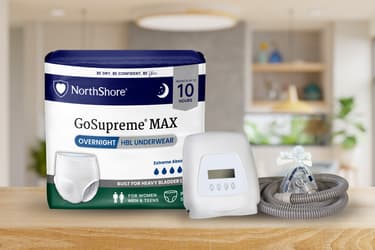
For days that involve more movement — commuting, working, or spending time with family — pull-up style underwear like GoSupreme® offers strong absorbency and HBL protection for up to 8 hours* in a familiar, underwear-like design with tear-away side seams for easy removal.
*An immediate change is required after a bowel movement.
Why the Recovery Phase Deserves More Attention
One of the most overlooked aspects of epilepsy-related bladder control is what happens after the seizure ends.
The postictal phase, defined by Cleveland Clinic as the period immediately following a seizure when symptoms are still present and recovery is ongoing, can last minutes or longer.³ During that time, alertness and physical control may still be limited — and even recognizing the need to use the bathroom can be delayed.
That’s why protection needs to hold up not only during a sudden loss of control, but also during the time afterward, when changing immediately may not be possible.
Products designed for multiple voids, such as those featuring MVP™ (Multi-Void Protection) technology, can provide added reassurance during rest or sleep following a seizure, when immediate changes aren't always realistic.
Adding a disposable or washable bed pad like MagicSorb® Air during recovery periods can also help protect bedding and furniture while making recovery more comfortable and reducing stress in the moment.
Building Confidence in Everyday Life
Living with epilepsy already involves navigating uncertainty. When bladder control is part of that picture, confidence often comes from feeling prepared — not from trying to control every outcome.
Some people find it helpful to identify personal "risk windows" — times when seizures may be more likely, such as during illness, stress, medication adjustments, or disrupted sleep. During those periods, adjusting the level of protection can help reduce anxiety without requiring major lifestyle changes.
Others create recovery-friendly routines by keeping supplies nearby, protecting bedding, or allowing extra time to rest after a seizure before returning to daily activities.
Supporting Emotional Well-Being
Bladder leaks during or after a seizure can feel frustrating or isolating, especially when they happen unexpectedly or in public. It's worth remembering that this is a recognized neurological response to a seizure — not a reflection of preparation, effort, or personal responsibility.
For caregivers supporting someone with epilepsy, this can be a sensitive area. Focusing on comfort, respect, and practical support helps maintain dignity while easing stress for everyone involved.
A More Supported, More Confident Approach
Epilepsy can bring unpredictability — but it doesn't have to take away a sense of confidence. With the right combination of understanding, high-performance protection, and supportive routines, it's possible to reduce one layer of uncertainty and stay focused on work, relationships, hobbies, travel, and everyday life.
NorthShore's Sample Program makes it easy to find the right fit. Take a quick 4-question quiz to get matched with up to six free samples delivered discreetly to the door (shipping charges apply).
NorthShore Care Experts are also available by phone, text, or live chat seven days a week. They provide personalized, judgment-free guidance, answer product questions, and can help place a sample order directly.
Frequently Asked Questions
Can epilepsy cause loss of bladder control?
Yes. Some seizures can disrupt the brain’s control over bladder function, leading to involuntary urination during or after the event.
Why do leaks sometimes happen after a seizure instead of during one?
The recovery phase can involve confusion or delayed awareness, which can make it harder to recognize or respond to bladder signals in time.
What type of protection works best for seizure-related bladder changes?
Products designed for HBL, such as high-absorbency diaper-style briefs with tabs or pull-up style underwear, offer more reliable protection during sudden or high-output events.
How can I feel more confident managing this day-to-day?
Many people find that combining dependable protection with awareness of seizure patterns and recovery time helps create a stronger sense of confidence and control.
Sources
More Helpful Tips & Resources


About NorthShore Care Supply
Founded in 2002, NorthShore Care Supply helps individuals and caregivers find the right protection for heavier leaks, overnight needs, and daily confidence. As the maker of NorthShore® Adult Diapers, we lead in high-performance protection for Heavy Bladder Leaks (HBL) and support #EndHealthStigma. Our expert Customer Care team provides private, compassionate guidance to help people choose products that fit their needs and lifestyle. Follow us on LinkedIn and Facebook @NorthShoreCareSupply, Twitter, Instagram and TikTok @NorthShoreCare.
Access your List
Connect on social:


