Common Causes of Incontinence: Medical, Functional, and Lifestyle

Key Takeaways:
-
Incontinence is a common condition that affects bladder or bowel control and can range from light leaks to Heavy Bladder Leaks (HBL), depending on the underlying cause.
-
Understanding the root cause of incontinence helps guide treatment decisions, symptom management, and the selection of appropriate protection.
-
With medical guidance, trusted products, and expert support, incontinence can be managed with greater comfort and confidence.
What Is Incontinence?
Incontinence refers to the involuntary loss of bladder or bowel control. It can range from minor leaks to significant voids, affecting millions of people worldwide. It can feel like an unfair opponent: disrupting your daily life, causing frustration, and sometimes making you feel powerless. It’s okay to acknowledge the challenges — it’s the first step toward overcoming them.
What Are Common Causes of Incontinence?
Incontinence doesn’t have a single cause, and it is even possible for people to experience more than one cause for their bladder and/or bowel incontinence symptoms. Understanding the possible causes can help recognize patterns and lead to better management.
Incontinence can result from a variety of medical, neurological, or lifestyle factors. Understanding the root cause is essential to finding the right solutions.
Bladder and Bowel Dysfunction (BBD)
This common cause stems from nerve or muscle dysfunction, which can prevent proper bladder or bowel control. Other contributing factors include:
-
Medicinal side effects
-
Stress or anxiety
-
Neurological conditions such as diabetes or pelvic floor disorders
-
Injury or damage to the nerves controlling the bladder
Neurological Disorders (ND)
Because bladder and bowel control come from the brain and nervous system, certain conditions can impact the interfering with bladder and bowel control. Examples include:
-
Alzheimer’s Disease
-
Parkinson’s Disease
-
Stroke
-
ALS
-
Epilepsy
-
Traumatic brain injuries
Functional Barriers
For some, incontinence isn’t caused by medical dysfunction but by physical or cognitive barriers, such as:
-
Arthritis or mobility issues that make reaching the bathroom difficult
-
Cognitive impairments, such as dementia, that hinder communication or recognition of the need to use the restroom
-
Physical barriers in the environment, like stairs or long distances
Other Factors
Lifestyle and life stages can also play a role in incontinence. Examples include:
-
Pregnancy and childbirth: Hormonal changes and pelvic floor strain can lead to incontinence.
-
Aging: Decreased muscle strength and reduced bladder capacity are common as we age.
-
Diet and lifestyle: Certain foods, drinks, and habits (like smoking) may exacerbate symptoms.
Why Understanding the Cause Matters
When you understand why bladder and/or bowel incontinence may be happening to you or a loved one, the next steps become clearer. Seek the help of medical professionals for the management of incontinence, and use products you can trust and feel confident in as you go about your daily routines.
Talk to Our Customer Care Experts
NorthShore’s Customer Care Experts are knowledgeable, empathetic, and 100% judgment-free. They can answer your questions, guide you through product choices, order free sample products, and help you feel confident in whatever step you take next. northshore.com/contact-us
FAQ (Frequently Asked Questions)
Q: What is incontinence?
A: Incontinence refers to the involuntary loss of bladder or bowel control. It can range from minor leaks to significant voids and affects millions of people worldwide.
Q: Does incontinence have a single cause?
A: No, there are many possible causes, and sometimes people may have more than one cause for their bladder and/or bowel incontinence symptoms.
Q: What are some possible causes of incontinence?
A: Bladder and/or bowel incontinence can be caused by bladder and bowel dysfunction, neurological disorders, functional barriers, and lifestyle and life stages such as pregnancy and aging.
Q: What neurological conditions can cause incontinence?
A: Certain conditions can impact the interfering with bladder and bowel control, including Alzheimer’s Disease, Parkinson’s Disease, stroke, ALS, epilepsy, and traumatic brain injuries.
Q: Can someone help me find the right products and choose the correct size?
A: Absolutely! Our Customer Care Experts are here to help answer your questions, guide you through NorthShore’s range of products, and choose what will fit you and your lifestyle best.
More Helpful Tips & Resources


About NorthShore Care Supply
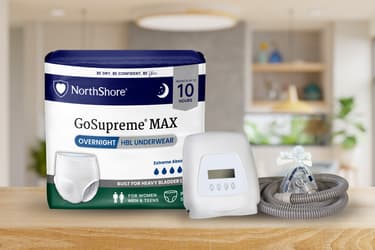
Founded in 2002, NorthShore Care Supply helps individuals and caregivers find the right protection for heavier leaks, overnight needs, and daily confidence. As the maker of NorthShore® Adult Diapers, we lead in high-performance protection for Heavy Bladder Leaks (HBL) and support #EndHealthStigma. Our expert Customer Care team provides private, compassionate guidance to help people choose products that fit their needs and lifestyle. Follow us on LinkedIn and Facebook @NorthShoreCareSupply, Twitter, Instagram and TikTok @NorthShoreCare.
Access your List
Connect on social:


