Celiac Disease and Bowel Incontinence: The Gut-Leak Connection

Key Takeaways
-
Celiac disease can cause bowel urgency, loose stools, and bowel incontinence — not just digestive discomfort — particularly before diagnosis or during periods of accidental gluten exposure.
-
Bowel leaks may persist even after starting a gluten-free diet due to intestinal healing time, cross-contamination, or overlapping conditions like IBS, pelvic floor dysfunction, or microscopic colitis.
-
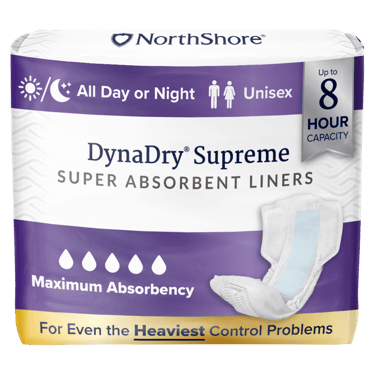
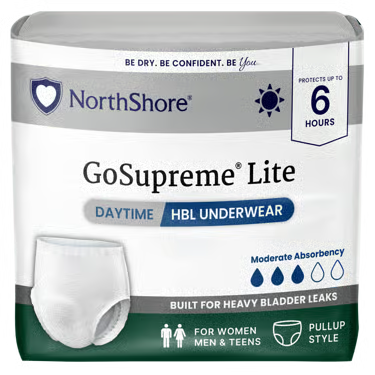
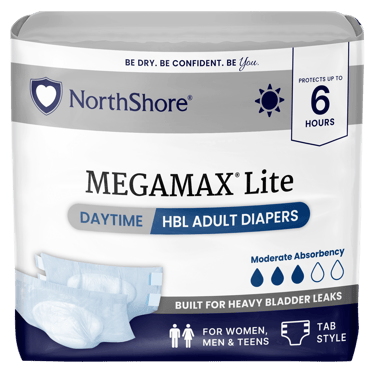
High-perfromance incontinence products engineered for bowel leaks — including DynaDry Supreme pad-style liners, breathable pull-up underwear like GoSupreme Lite, and lighter tab-style briefs like MegaMax Lite — offer significantly better containment, odor control, and ease of change than standard store-brand options.
-
Managing celiac-related bowel incontinence is less about achieving perfection and more about building routines, identifying flare triggers, and having reliable protection in place when life gets unpredictable.
For many people, celiac disease is first associated with food restrictions, gluten-free labels, or digestive discomfort after meals. But for some adults, the condition can also affect something far more disruptive and emotionally exhausting: bowel control.
Urgency, loose stools, and unpredictable digestive flares can sometimes lead to bowel leaks or bowel incontinence, especially before diagnosis or during periods of accidental gluten exposure. These experiences are rarely talked about openly, which can leave people feeling isolated or unsure whether what they are experiencing is connected.
The reality is that the connection between celiac disease and bowel incontinence is more common than many people realize. And understanding why it happens can make daily life feel far more manageable.
How Can Celiac Disease Affect Bowel Control?
Celiac disease is an autoimmune condition where eating gluten triggers damage to the small intestine. Over time, that inflammation can interfere with digestion, nutrient absorption, and overall bowel function.
For some people, this creates a combination of symptoms that make bowel urgency harder to control:
-
Frequent diarrhea
-
Sudden urgency after eating
-
Increased intestinal sensitivity
-
Gas and bloating
-
Muscle weakness related to nutrient deficiencies
-
Fatigue that slows physical response time
What makes celiac-related bowel leaks especially frustrating is how quickly symptoms can appear after accidental gluten exposure. A restaurant meal, cross-contaminated snack, or hidden ingredient can sometimes trigger digestive distress hours later, often with very little warning.
That unpredictability is what many people describe as the hardest part — not necessarily the digestive symptoms themselves, but the feeling of losing confidence in how the body will respond during everyday life.
Why Bowel Incontinence May Continue Even After Diagnosis
Many people assume that starting a gluten-free diet immediately resolves every symptom. In reality, the digestive system can take time to heal.
Some adults continue experiencing bowel urgency or loose stools for months while the intestinal lining recovers. Others may unknowingly encounter small amounts of gluten through cross-contamination, medications, sauces, or restaurant preparation methods.
There can also be overlapping conditions involved, including:
-
Irritable bowel syndrome (IBS)
-
Pelvic floor dysfunction
-
Microscopic colitis
-
Nerve damage linked to vitamin deficiencies
-
Lactose intolerance during intestinal healing
This overlap matters because bowel incontinence is not always caused by one issue alone. Someone may technically be following a gluten-free diet while still managing lingering urgency, weakened pelvic muscles, or highly reactive digestion.
That combination can make public outings, long commutes, or overnight sleep feel stressful in very specific ways.
Why Restaurants, Travel, and Social Events Can Feel Different With Celiac Disease
People living with celiac disease often become extremely skilled at planning around food. But bowel urgency adds another layer of unpredictability that outsiders may not see.
A delayed airport meal, uncertainty around ingredients at a wedding, or a business dinner with limited gluten-free options can create constant background anxiety. For some adults, the concern is less about embarrassment and more about physical logistics:
-
What happens if symptoms start during a long car ride?
-
How quickly can a restroom be reached in a crowded stadium?
-
Will a digestive flare last 20 minutes or several hours?
-
Is overnight protection enough after accidental gluten exposure?
This is where bowel incontinence management becomes less about “just avoiding gluten” and more about reducing disruption when real life becomes complicated.
What Can Help During Celiac-Related Digestive Flares?
Many people find that management becomes easier once they identify their own flare patterns and digestive triggers.
Some notice bowel urgency appears strongest:
-
Shortly after restaurant meals
-
During travel
-
After eating highly processed gluten-free substitutes
-
During periods of stress or fatigue
-
Overnight after accidental gluten exposure
Tracking bowel and bladder patterns can help conversations with healthcare providers feel more specific and productive.
For people managing bowel leaks, product choice can make a major difference in reducing stress during unpredictable days. Store brand products often fall short — designed primarily for light bladder leakage (LBL) with minimal attention to containment, odor control, or ease of removal. Premium incontinence products engineered specifically for bowel leaks prioritize tall leak guards, wide rear coverage, odor-blocking materials, and convenient change features that support real-world use with confidence and dignity.
For discreet, pad-style protection: NorthShore DynaDry® Supreme Heavy Incontinence Liners are worn inside regular underwear and offer the absorbency of a lighter adult diaper in an easy-to-change format. Extra-tall side leak guards, wider rear coverage in XL and 2XL sizes, and a waterproof backing that blocks odors make these a strong everyday option — especially for people who value independence and quick changes without removing clothing.
For pull-up style underwear: NorthShore GoSupreme® Lite provides up to 6 hours of protection with an extra-long contoured lining for front-to-rear coverage. Tear-away side seams make removal fast and easy after a bowel movement, while strong waist and leg elastics maintain a secure fit during movement.
For tab-style protection: NorthShore MegaMax® Lite 6-Hour Diaper Style Briefs offer extra-wide coverage and a smooth plastic exterior that helps block odors — an important feature during celiac-related digestive flares. Tall stand-up leak guards, leg cuffs, and large refastenable tape tabs provide secure containment and easy adjustability throughout the day.
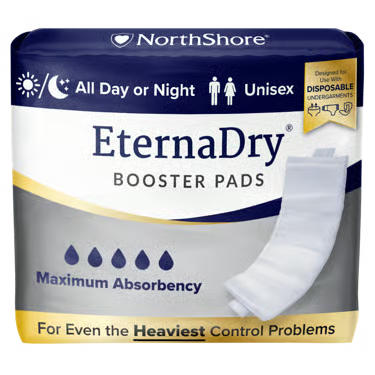
For extended protection between changes, NorthShore EternaDry® Booster Pads can be placed inside any brief or pull-up to extend wear time between bowel voids. Since a bowel movement requires an immediate product change, booster pads allow bladder leaks to be managed throughout the day without wasting a full product each time. The flow-through design channels liquid into the primary product, while the contoured shape in XL and 2XL sizes provides extra rear coverage, particularly useful during active digestive flares.
*An immediate change is required after a bowel movement.
Skin Protection Matters More Than Many People Realize
One overlooked part of bowel incontinence is how quickly skin irritation can develop during ongoing digestive symptoms.
Loose stools associated with celiac flares may contain digestive enzymes that irritate skin more aggressively than urinary leaks alone. Repeated cleaning throughout the day can also increase friction and discomfort.
Many people find softer, full-body cleansing wipes and highly absorbent products help reduce irritation during active flares.
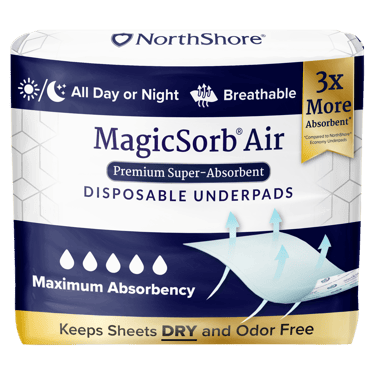
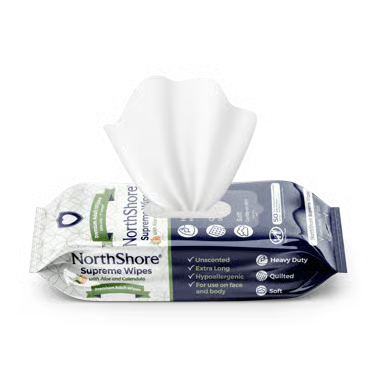
NorthShore Supreme Quilted Wipes are designed for full-body cleansing and are pre-moistened with aloe and calendula for gentler skin care during frequent changes. Disposable underpads like MagicSorb® Air can also help protect bedding or furniture during overnight digestive episodes.
Why Emotional Stress Around Bowel Leaks Often Runs Deep
Bowel incontinence carries a unique emotional weight because it can feel harder to predict and harder to talk about openly.
For adults with celiac disease, that stress can become amplified by years of being told symptoms were “just stress,” “sensitive digestion,” or something minor before finally receiving a diagnosis.
That history can make digestive setbacks feel emotionally exhausting even after treatment begins.
Many people quietly adapt by:
-
Avoiding restaurants
-
Skipping long events
-
Sitting near exits
-
Limiting travel
-
Turning down invitations after recent flares
But support and protection can make participation feel possible again — not by pretending digestive issues do not exist, but by reducing the fear of worst-case scenarios.
Living More Comfortably With the Gut-Leak Connection
Managing celiac disease and bowel incontinence often involves ongoing adjustment rather than a perfect finish line. Symptoms may improve dramatically over time, then temporarily return after accidental gluten exposure or periods of stress. That does not erase progress.
The goal for many adults becomes creating routines, backup options, and protection that allow life to feel bigger than digestive symptoms alone.
NorthShore’s Customer Care Experts can help explain different bowel control products, absorbency levels, and fit options for people managing bowel leaks related to digestive conditions. The NorthShore Sample Program also offers free samples — just pay for shipping — so different products can be tested more comfortably at home before committing to a full case.
Frequently Asked Questions
Q: Can celiac disease cause bowel incontinence?
A: Yes. Some people with celiac disease experience bowel urgency, diarrhea, or bowel incontinence related to intestinal inflammation, accidental gluten exposure, or overlapping digestive conditions.
Q: Do bowel leaks stop after going gluten-free?
A: Symptoms improve for many people after starting a strict gluten-free diet, but healing can take time. Some adults continue experiencing urgency or digestive sensitivity while the intestine recovers.
Q: Can accidental gluten exposure trigger bowel urgency quickly?
A: For some people, yes. Reactions vary widely, but accidental gluten exposure can sometimes lead to rapid digestive symptoms, including cramping, diarrhea, and urgency.
Q: What products work best for bowel incontinence?
A: Since a bowel movement requires an immediate change, breathability and ease of removal tend to matter more than maximum absorbency alone. Many adults prefer products with tear-away sides or refastenable tabs for faster, cleaner changes. Good options include DynaDry Supreme Liners, GoSupreme or GoSupreme Lite pull-up underwear, MegaMax Airlock or Megamax Lite adult diapers. NorthShore offers a free Sample Program that makes it easy to find the right fit before committing to a full order.
Products Mentioned in this Article
More Helpful Tips & Resources


About NorthShore Care Supply
Founded in 2002, NorthShore Care Supply helps individuals and caregivers find the right protection for heavier leaks, overnight needs, and daily confidence. As the maker of NorthShore® Adult Diapers, we lead in high-performance protection for Heavy Bladder Leaks (HBL) and support #EndHealthStigma. Our expert Customer Care team provides private, compassionate guidance to help people choose products that fit their needs and lifestyle. Follow us on LinkedIn and Facebook @NorthShoreCareSupply, Twitter, Instagram and TikTok @NorthShoreCare.
Access your List
Connect on social:


