Which Exercises Are Low-Impact for the Pelvic Floor?
Key Takeaways
-
Not all exercise affects the pelvic floor equally — the key factor is intra-abdominal pressure, how quickly it rises, and how often it repeats, not just how hard a workout feels overall.
-
Low-impact options like walking, cycling, Pilates, and controlled strength training can support fitness and endurance while placing less sudden pressure on the pelvic floor.
-
High-impact movements like running, HIIT, plyometrics, and heavy lifting aren't necessarily off-limits, but may require adjustments to intensity, duration, or protection depending on how the body responds.
-
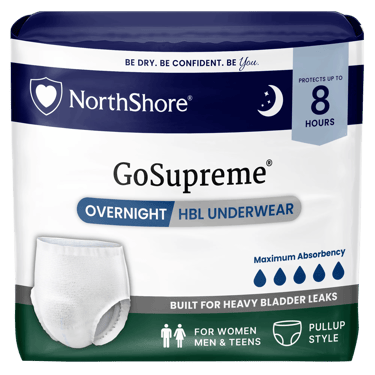
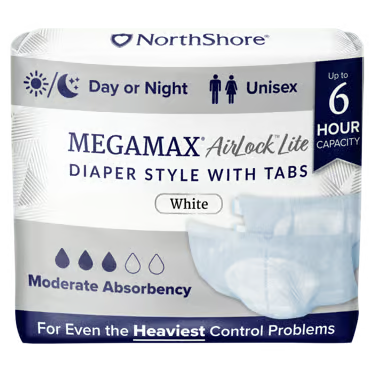
For staying active with HBL, GoSupreme® pull-up underwear and MegaMax® AirLock™ are two strong options designed to move with the body and provide strong, reliable, and breathable protection through a full workout.
It's not always the hardest workouts that cause issues — sometimes it's the unexpected moments within them. A jump, a twist, a quick change in pace. Some movements increase pressure in ways that aren't noticed until they happen.
Understanding those differences can make it easier to stay active with more confidence.
Why Some Exercises Affect the Pelvic Floor More Than Others
The pelvic floor supports the bladder and helps control urine flow. Certain movements increase intra-abdominal pressure — the force placed downward through the core.
When that pressure rises quickly or repeatedly, it can challenge how well the pelvic floor responds.
This is why two workouts with the same intensity can feel completely different. It's not just how hard someone is working — it's how that pressure is created and absorbed.
Low-Impact Exercises That Are Easier on the Pelvic Floor
Low-impact doesn't mean low benefit. Many exercises support strength, endurance, and mobility while placing less sudden pressure on the pelvic floor.
Walking and Incline Walking
Walking keeps movement steady and controlled. Inclines can add intensity without introducing impact, making it easier to build strength without sudden pressure spikes.
Cycling (Indoor or Outdoor)
Cycling provides a cardio workout without repeated impact. The seated position also reduces downward force compared to running or jumping.
Strength Training With Controlled Movement
Using machines, resistance bands, or lighter weights with controlled form can support muscle development without the sudden pressure created by explosive lifting.
Kegel Exercises
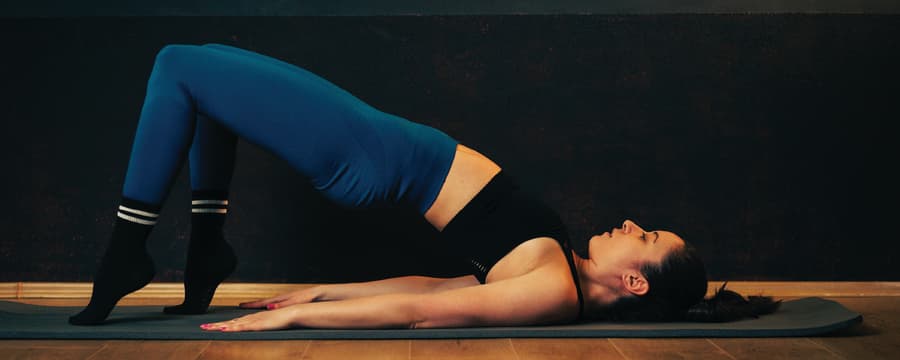
Kegels (the deliberate contraction and relaxation of the pelvic floor muscles) are one of the most commonly recommended tools for improving bladder control. When done correctly and consistently, they can help strengthen the muscles that support the bladder and may reduce leaks over time. The relaxation phase matters just as much as the contraction — an overly tight pelvic floor can worsen urgency rather than improve it. A pelvic floor physical therapist can help determine whether strengthening or relaxation work is the better starting point.
Exercises to Approach With More Awareness
Some movements increase pressure quickly or repeatedly. That doesn't mean they're off-limits for people with incontinence — it means they may feel different depending on the body and the context of the workout.
Running and Sprinting
Each stride creates impact. Over time, that repetitive force can challenge the pelvic floor, especially during longer runs or when fatigue sets in.
HIIT and Plyometrics
Jumping, burpees, box jumps, and fast transitions can create rapid pressure changes. These workouts combine intensity with impact, which can increase the likelihood of leaks.
Heavy Lifting
Exercises like deadlifts or squats can create high internal pressure, especially when lifting heavier weights or holding the breath during exertion.
Core Exercises With Strain
Sit-ups, crunches, or movements that push outward on the abdomen can increase pressure in ways that affect the pelvic floor.
Why Leaks Can Happen Mid-Workout
Leaks during exercise often don't happen right away, but may develop:
-
As muscles fatigue
-
During transitions between movements
-
When intensity suddenly increases
-
When hydration, timing, or prior activity affects the bladder
This is why a workout can feel fine one day and different the next. For those managing HBL, that variability can mean larger or repeated leaks during longer sessions or higher-intensity training.
Matching Protection to Your Workout Style
Exercise creates its own set of constraints — movement, timing, clothing, and limited opportunities to change.
For workouts where flexibility and movement matter, GoSupreme® pull-up style underwear offers a close, secure fit designed to move with the body while supporting HBL, with up to 8 hours* of protection.
For warmer environments or workouts where breathability is a priority, MegaMax® AirLock™ offers a cloth-like, breathable option with leak protection for up to 9 hours* and MVP™ (Multi-Void Protection) technology that keeps skin drier through multiple wettings.
*An immediate change is required after a bowel movement.
Building Confidence Back Into Movement
Exercise is more than fitness — it's about creating a routine, boosting energy, finding a mental reset, and feeling like oneself. Leaks can interrupt that, especially when they feel unpredictable. The right combination of movement choices and protection can help bring that sense of control back.
That might mean choosing lower-impact options on some days, mixing different workout styles, or using protection that keeps skin dry through the entire session.
Finding What Works for You
There isn't one correct way to exercise with incontinence. What matters is finding the combination that fits the body, the routine, and how movement feels best.
NorthShore's Sample Program makes it easy to try different fits and styles— take a quick 5-question quiz to get matched with up to 6 free samples delivered to the door (just pay for shipping).
And if questions come up along the way, NorthShore's Customer Care Experts are here for all of it — the questions, the frustrations, and even the laughs. Real experts, on-site, available by call, text, or chat 7 days a week with 100% judgment-free guidance. They can also help place a sample order directly.
Frequently Asked Questions
Q: What is the best low-impact exercise for the pelvic floor?
A: Walking, cycling, swimming, and controlled strength training are all lower-impact options that place less sudden pressure on the pelvic floor.
Q: Do I have to avoid high-impact exercise completely?
A: Not necessarily. Some people continue high-impact workouts with adjustments to intensity, duration, or support.
Q: Why do leaks happen during workouts?
A: Pressure, movement, and muscle fatigue can all affect how the pelvic floor responds, especially during longer or more intense sessions.
Q: What type of protection works best during exercise?
A: Pull-up style underwear like GoSupreme can work well for movement and flexibility, while MegaMax diaper-style briefs with tabs may be better for longer or higher-impact sessions.
Q: What exercises can help women improve bladder control?
A: For female patients struggling with incontinence, Kegel exercises can be particularly beneficial in improving one's bladder control. The Mayo Clinic offers Kegel Exercises: How-To Guide for Women.
Products Mentioned In This Article
More Helpful Tips & Resources


About NorthShore Care Supply
Founded in 2002, NorthShore Care Supply helps individuals and caregivers find the right protection for heavier leaks, overnight needs, and daily confidence. As the maker of NorthShore® Adult Diapers, we lead in high-performance protection for Heavy Bladder Leaks (HBL) and support #EndHealthStigma. Our expert Customer Care team provides private, compassionate guidance to help people choose products that fit their needs and lifestyle. Follow us on LinkedIn and Facebook @NorthShoreCareSupply, Twitter, Instagram and TikTok @NorthShoreCare.
Access your List
Connect on social:


