How to Be a Better Ally: Do's and Don'ts for Supporting Someone with an Invisible Disability

Key Takeaways
-
Not all disabilities are visible, and people should not have to prove their condition to deserve understanding, accommodations, or respect.
-
Believe people when they tell you what they need, and avoid making assumptions based on what you can or cannot see.
-
Small acts of consideration, flexibility, and inclusion can make a meaningful difference.
-
True allyship means seeing people as whole individuals, not defining them by a limitation.
People living with invisible disabilities have often heard some version of the phrase, "But you don't look disabled." It may be intended as a compliment, a question, or just an observation, but it highlights the common misconception that many people still expect disabilities to look a certain way.
The reality is that many disabilities aren't immediately visible. Millions of people live with conditions that significantly impact their daily lives without any obvious outward signs. According to the Invisible Disabilities Association, 74% of Americans with a severe disability do not use any device traditionally associated with disability.
Disability often doesn't look the way people expect it to. Conditions such as chronic pain, Crohn's disease, neurodivergence, hearing loss, incontinence, and many mental, cognitive, and neurological conditions may have little or no visible outward indication.
Wearing adult diapers is one example of this invisibility in action. Many people living with conditions like neurogenic bladder or spinal cord injuries rely on adult diapers as part of daily life, yet nothing about their appearance would suggest it. The person in line at the grocery store, a coworker, a neighbor — any of them could be managing something significant that nobody around them would ever know.
Most people want to be supportive. But when a disability isn't obvious, it's easy to rely on assumptions without realizing it. Those assumptions, questions, and comments can sometimes create barriers of their own, leaving people feeling misunderstood, dismissed, or pressured to explain something deeply personal.
Being a supportive ally isn't about having all the answers. It's about approaching others with empathy, respect, and a willingness to learn. The following do's and don'ts can help foster a more supportive and inclusive environment for people living with invisible disabilities.
1. Do: Respect Accommodations Without Questioning Them
People should not have to prove their disability to deserve accessibility. Whether someone is using a handicap parking space, priority seating, or an accessible restroom, those accommodations are not something people should have to justify to others.
A helpful rule of thumb is to assume that anyone using an accommodation has a legitimate reason for doing so and to respect their privacy.
2. Don't: Ask Invasive Questions About Someone's Disability
Curiosity is natural, but someone’s health is deeply personal. Questions like "What happened to you?", "What's wrong with you?", or "Why do you need that?" can feel intrusive and exhausting, especially if someone has answered them dozens of times before. If someone wants to share their story, they will, but let them do it on their own terms.
3. Do: Believe People When They Tell You What They Need
Many invisible disabilities come with challenges that others cannot see. Comments like "You seem fine to me" or "Everyone gets tired" may sound supportive, but they can unintentionally minimize a person’s experience. Likewise, being supportive in private but uncomfortable in public can send a painful message. True allyship shows up the same way in every setting.
When someone tells you they need something, just go with it, no questions asked. Trust that they know their own bodies, experiences, and limitations better than anyone else, and remember that in those moments, validation often matters more than solutions.
4. Don't: Assume You Know What Help Someone Needs
Good intentions definitely matter, but they don’t always translate into helpful support.
Rather than making assumptions about what a person can or cannot do, ask. A simple "How can I help?" goes much further than deciding for someone what they need. The same principle applies to physical assistance. Never grab a mobility aid or step in without being invited to do so.
5. Do: Make Accessibility and Inclusion a Part of the Plan
Accessibility isn't about special treatment; it’s about being considerate. When making plans with friends or loved ones, take a moment to think about what might help them participate comfortably.
Something as small as planning for restroom access, accessible seating, or schedule flexibility can make a meaningful difference. Often, the most supportive response is simply to treat accommodations as normal and move forward without making them a big moment. No one should have to feel like a burden for needing accommodations that were never considered.
6. Don’t: Try to Fix the Problem or Offer Unsolicited Advice
Many people with invisible disabilities have spent years managing their condition, working with doctors, trying different approaches, and figuring out what works for them. Suggestions like "Have you tried this supplement?" or "Maybe it's your diet" usually come from a place of love and wanting to help, but they can feel dismissive of the knowledge and experience people have gained while navigating their health.
Unless advice has been requested, listening is usually more supportive than attempting to solve the problem.
7. Do: Leave Room for Flexibility
Many disabilities can be unpredictable. What feels manageable on Monday may feel impossible by Friday. Someone may need to change plans, leave early, or take more breaks as symptoms and circumstances shift from day to day.
Flexibility, without frustration, commentary, or guilt, is one of the simplest and most meaningful forms of support a friend, family member, or coworker can offer.
8. Don't: Make Someone’s Disability Their Entire Story
When disability becomes the primary lens through which someone is viewed, it can overshadow everything else that makes them who they are. A person’s interests, relationships, goals, and aspirations can wind up taking a backseat to one part of their story.
Real allyship means acknowledging challenges without losing sight of a person's strengths or reducing their entire existence to a condition. We have to keep seeing everything else that they are, continue believing in their capabilities, and allow space for their possibilities.
People are more than what they struggle with. A disability may be part of someone's story, but it should never become the whole story.
True Support Starts with Listening
Not every disability is visible, and not everything needs to be understood to be respected.
The best allies aren't the ones who have everything figured out. They're the ones who listen before they speak, believe people's experiences without needing proof, and make room for others to participate fully in life. When someone managing an invisible condition feels safe enough to just show up without having to explain or justify themselves, that's what meaningful allyship actually looks like.
At NorthShore®, we know that invisible disabilities are far more common than most people realize. Millions of people are quietly managing conditions every day that others can't see. That's why conversations like this matter so much. The more we understand invisible disabilities, the easier it becomes to replace assumptions with empathy and see all of the possibilities beyond the limitations.
Being a truly supportive ally doesn't require having all the answers. More often than not, it starts with something simple but powerful: listening.
Frequently Asked Questions
Q: What is considered an invisible disability?
A: An invisible disability is a physical, mental, neurological, cognitive, or chronic health condition that may not have obvious outward signs but can still significantly affect a person's daily life. Examples include chronic pain, Crohn's disease, hearing loss, neurodivergence, incontinence, and many mental health conditions.
Q: Why is it important not to question someone's accommodations?
A: Not all disabilities are visible, and many people rely on accommodations to participate comfortably in daily life. Questioning whether someone "really" needs an accommodation can feel invasive and may force them to justify personal health information that is not anyone else's business.
Q: How can I be supportive of someone with an invisible disability?
A: One of the most helpful things you can do is listen, believe people when they tell you what they need, and avoid making assumptions based on appearances. Small acts of consideration, flexibility, and inclusion can also make a meaningful difference in a person’s life.
Q: What should I avoid saying to someone with an invisible disability?
A: Avoid comments that dismiss or minimize a person's experience, such as "You don't look disabled" or "Everyone gets tired." Even when well-intentioned, these statements can make someone feel misunderstood or invalidated. It's often more supportive to listen and respect what a person tells you about their own experiences.
Q: Is it okay to ask someone about their disability?
A: It honestly depends on the specific situation and your relationship with that person. While curiosity is natural, health information is deeply personal.
Remember that it isn't a person's responsibility to educate everyone they meet about their disability, and having to answer the same questions over and over can be exhausting.
If someone wants to share details about their disability, they will often do so on their own terms. In many cases, the most respectful approach is to avoid asking intrusive questions and focus instead on listening and being supportive.
Q: What are the best adult diapers for managing incontinence?
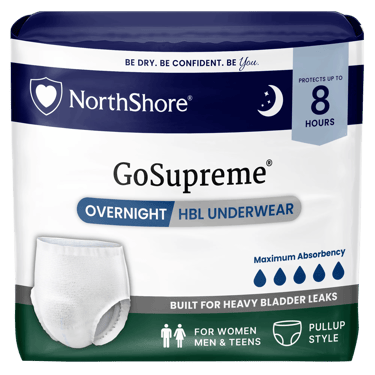
A: For people managing Heavy Bladder Leakage (HBL), the right adult diaper can make a meaningful difference in daily comfort and confidence. NorthShore specializes in incontinence products designed specifically for HBL — not light leakage that most store-brand products are made for. MegaMax® HBL Tab-Style Adult Diapers offer up to 12 hours of protection and are ideal for overnight use or long days out. GoSupreme® HBL Pull-Up Underwear provides up to 8 hours of protection in a discreet, pull-up style that works well for active daily use. Both feature MVP™ (Multi-Void Protection) Technology, designed to handle multiple full bladder releases and keep skin dry through extended wear.
NorthShore also offers a free Sample Program — answer a few quick questions and receive personalized product recommendations with samples delivered discreetly to the door.
Products Mentioned In This Article

More Helpful Tips & Resources



About NorthShore Care Supply
Founded in 2002, NorthShore Care Supply helps individuals and caregivers find the right protection for heavier leaks, overnight needs, and daily confidence. As the maker of NorthShore® Adult Diapers, we lead in high-performance protection for Heavy Bladder Leaks (HBL) and support #EndHealthStigma. Our expert Customer Care team provides private, compassionate guidance to help people choose products that fit their needs and lifestyle. Follow us on LinkedIn and Facebook @NorthShoreCareSupply, Twitter, Instagram and TikTok @NorthShoreCare.
Access your List
Connect on social:


