Pelvic Organ Prolapse and Incontinence Management

Key Takeaways
-
Pelvic organ prolapse shifts the position of the bladder and urethra, which can affect how urine is held, how the bladder empties, and how urgency signals are felt — often in ways that feel inconsistent or hard to predict.
-
Prolapse can cause both leaks and incomplete emptying at the same time, creating a cycle where the bladder refills faster, urgency builds more quickly, and leaks happen even shortly after using the bathroom.
-
Symptoms often worsen throughout the day as muscles and support structures fatigue — making it helpful to adjust protection and routines based on activity level and time of day rather than using one approach for everything.
-
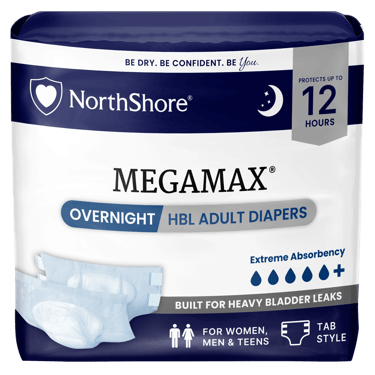
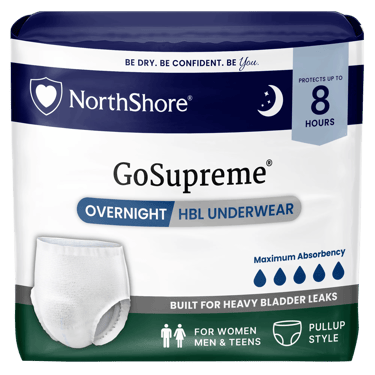
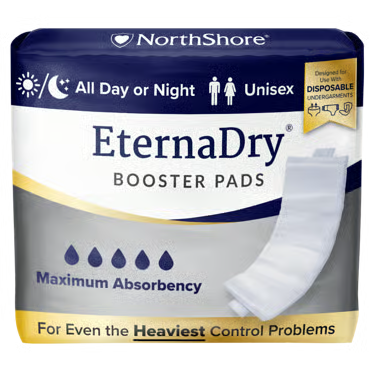
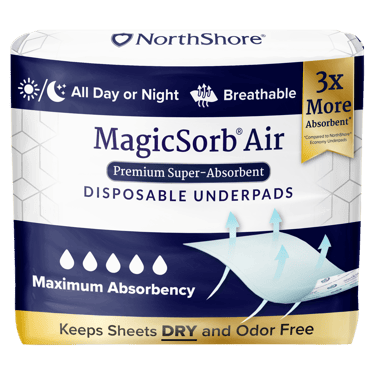
NorthShore's GoSupreme®, MegaMax®, EternaDry® Booster Pads, and MagicSorb® Air underpads offer a range of protection options that can be matched to different situations, symptom levels, and daily routines.
It doesn't always start with leaks. Sometimes it's a feeling of pressure, heaviness, or something not quite sitting where it used to. Then bladder changes begin to follow — urgency feels different, emptying doesn't feel complete, or leaks show up in ways that don't quite make sense.
Pelvic organ prolapse happens when weakened pelvic muscles and tissues allow organs such as the bladder, uterus, or rectum to shift downward and press against the vaginal wall. Because the bladder is often involved, prolapse can change how the bladder behaves day to day.
Those changes aren't always explained clearly. They're tied to how the bladder and surrounding structures are supported — and how that support shifts during movement, standing, rest, and everyday routines. Understanding how prolapse affects bladder function can make those changes feel less confusing and easier to work around day to day.
What Pelvic Organ Prolapse Does to Bladder Function
Pelvic organ prolapse happens when muscles and tissues that support the pelvic organs weaken, allowing organs like the bladder to move out of their usual position.
When the bladder or urethra is affected, this can change:
-
How urine is held — reduced support can make leaks more likely during movement or pressure
-
How the bladder empties — the bladder may not fully empty in one void
-
How urgency is felt — signals can feel stronger, delayed, or inconsistent
These changes don’t always follow a predictable pattern. The same person may experience different symptoms depending on the time of day or activity level.
Why Leaks and Emptying Issues Can Happen Together
One of the more confusing aspects of prolapse is that it can cause both:
-
Leaks, especially during movement or pressure
-
Incomplete emptying, where the bladder doesn’t fully release
This can lead to a cycle where:
-
The bladder feels full again sooner
-
Urgency builds more quickly
-
Leaks happen even after recently using the bathroom
It’s not a contradiction — it’s a result of how positioning affects both holding and emptying at the same time.
How Movement and Positioning Affect Symptoms
Bladder symptoms with prolapse often change depending on how the body is positioned. Some common patterns include:
-
More pressure or urgency after standing for long periods
-
Leaks when lifting, bending, or changing position
-
A different sensation when sitting versus standing
-
More noticeable symptoms later in the day, as muscles fatigue
This is because support structures are working harder over time, and their ability to maintain position can decrease as the day goes on.
When Leaks Become More Noticeable
As prolapse progresses or fluctuates, leaks may become more noticeable in a few ways:
-
Larger voids when leaks happen
-
Less time between urgency and needing to go
-
Repeated voids within a shorter period
When these factors overlap, leaks can move beyond occasional and require protection that can handle both volume and repeated wettings.
NorthShore® products are built with MVP™ (Multi-Void Protection) and are designed to manage larger amounts and repeated wettings while helping keep skin dry.
Choosing Protection Based on Daily Realities
With prolapse, prolapse, bladder needs can change throughout the day, so protection often works best when it matches the situation.
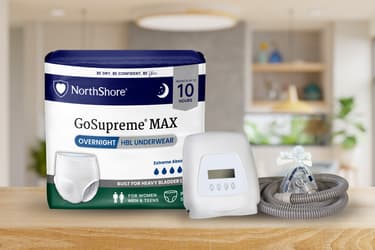
GoSupreme® pull-up style underwear offers a more familiar, underwear-like fit that can be pulled up and down as needed while supporting HBL with up to 8 hours* of protection.
For longer periods on the feet, travel, or times when changing isn't as convenient, MegaMax® HBL overnight adult diapers with tabs provide higher absorbency for up to 12 hours* and a more structured fit.
For added absorbency without a full product change, EternaDry® Booster Pads can be placed inside any brief or pull-up to extend wear time throughout the day. As the pad fills, flow-through technology channels liquid into the primary product beneath it — expanding total absorbency while keeping skin drier between changes. A useful option on days when symptoms are harder to predict or when longer stretches away from home require extra confidence.
For rest and recovery, MagicSorb® Air underpads can help protect bedding, chairs, or recliners with a breathable surface layer — a simple addition for days when symptoms feel more noticeable or unpredictable.
*An immediate change is required after a bowel movement.
What Can Help Day to Day
Pelvic organ prolapse symptoms often change depending on how long someone has been standing, lifting, walking, or simply moving through the day. Some women describe a heavier feeling by evening, while others notice bladder emptying feels slower or urgency becomes harder to ignore once pressure builds.
Because symptoms can fluctuate throughout the day, many women find it helpful to adjust routines and protection based on how the body feels at different times rather than expecting one approach to work perfectly in every situation.
Some practical approaches include:
-
Noticing when symptoms feel strongest, such as later in the day or after long periods standing
-
Allowing extra time for bathroom visits when emptying feels incomplete
-
Choosing protection based on activity level and how long away from home
-
Prioritizing comfort on days where pressure, heaviness, or fatigue feel more noticeable
Small adjustments like these can help reduce interruptions and make longer days feel less physically draining.
Finding the Right Support
Pelvic organ prolapse can change how the body feels and functions in ways that aren't always predictable. Bladder changes are often part of that experience, even if they don't follow a clear pattern.
When symptoms change throughout the day, having reliable protection that adjusts with those shifts can help routines feel less physically and mentally draining.
NorthShore's Customer Care Experts can help find the right fit — available by call, text, or chat 7 days a week with 100% judgment-free guidance. They can also help place a sample order directly. Or take a quick 4-question quiz through the NorthShore Sample Program to get matched with up to 6 free samples delivered to the door (just pay for shipping).
Frequently Asked Questions
Q: Can pelvic organ prolapse cause bladder leaks?
A: Yes. When the bladder or urethra shifts out of its normal position due to prolapse, the muscles and tissues that help control urine flow are less supported — making leaks more likely, especially during movement, lifting, or changes in position.
Q: Why does it feel like the bladder never fully empties with prolapse?
A: Prolapse can alter the angle and positioning of the bladder, making it harder to release urine completely in a single void. This can create a cycle where the bladder refills faster, urgency returns sooner, and leaks happen even shortly after using the bathroom.
Q: Why do prolapse symptoms feel worse in the evening?
A: Prolapse can alter the angle and positioning of the bladder, making it harder to release urine completely in a single void. This can create a cycle where the bladder refills faster, urgency returns sooner, and leaks happen even shortly after using the bathroom.
Q: What incontinence products work best for pelvic organ prolapse?
A: It depends on the level of output and the demands of the day. GoSupreme® pull-up underwear works well for active daytime routines, while MegaMax® tab-style briefs offer higher absorbency for longer stretches or heavier days. EternaDry® Booster Pads can extend wear time inside any product, and MagicSorb® Air underpads provide breathable surface protection during rest.
Products Mentioned In This Article
More Helpful Tips & Resources


About NorthShore Care Supply
Founded in 2002, NorthShore Care Supply helps individuals and caregivers find the right protection for heavier leaks, overnight needs, and daily confidence. As the maker of NorthShore® Adult Diapers, we lead in high-performance protection for Heavy Bladder Leaks (HBL) and support #EndHealthStigma. Our expert Customer Care team provides private, compassionate guidance to help people choose products that fit their needs and lifestyle. Follow us on LinkedIn and Facebook @NorthShoreCareSupply, Twitter, Instagram and TikTok @NorthShoreCare.
Access your List
Connect on social:


