Adult Diaper Do's and Don'ts: 12 Tips for Better Protection
Key Takeaways
-
A proper fit is one of the most important factors in preventing leaks. Always size based on waist and hip measurements, not clothing size, and activate tab-style adult diapers before wearing for best performance.
-
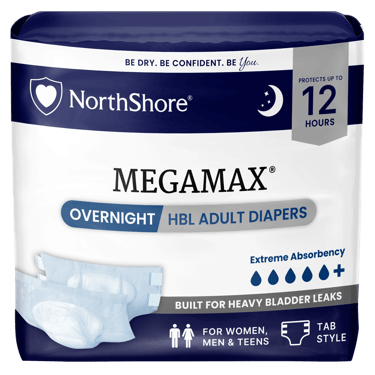
Products designed for Heavy Bladder Leaks (HBL) like MegaMax® Overnight Adult Diapers can reduce daily changes from an average of 10 (store brands) to around 3, meaning the right high-performance product makes a bigger difference than any workaround.
-
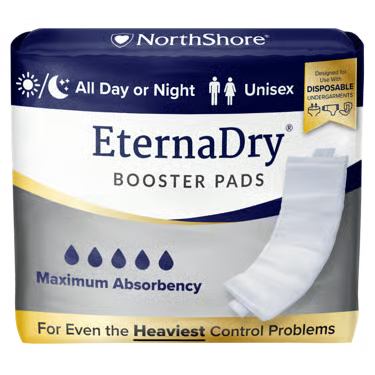
Doubling up on standard products doesn't add protection — it causes pooling and leaks. EternaDry® Booster Pads are designed to work with adult diapers and are the right way to extend absorbency when needed.
-
Most leaks, irritation, and wasted product come down to fit, sizing, or usage — not the product itself. Small adjustments and personalized guidance from NorthShore Care Experts can solve most problems without switching products entirely.
Even the best adult diaper can't perform as intended if it's being used incorrectly. A lot of the leaks, irritation, and wasted product people deal with don't always come down to a bad product.
More often than not, a few small adjustments to how a person chooses, fits, and uses their protection can make a meaningful difference in confidence and overall performance.
Whether someone is new to managing heavy bladder leaks or has been wearing adult diapers for years, these simple do's and don'ts will help improve product performance, reduce common frustrations, and help make sure everyone can spend less time worrying about leaks.
1. Do: Make Sure Your Diaper Fits Properly
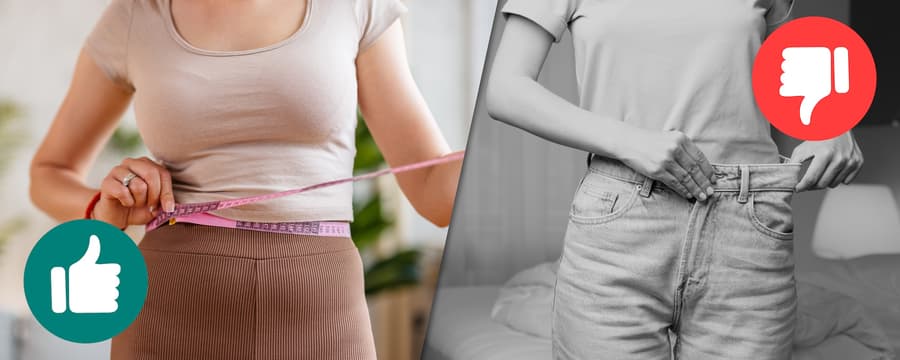
A proper fit is one of the biggest factors in preventing leaks. A diaper that's too large can gap at the legs and waist, allowing leaks to escape. If the diaper is too tight, it may not provide enough coverage, seal as well, or stay in place throughout the day.
The best way to find the right fit is by measuring the waist and hips and then comparing those measurements to the manufacturer’s sizing chart. Taking those few extra minutes to measure can lead to better comfort, better protection, and fewer surprises.
2. Don't: Choose Your Diaper Size Based on Clothing Size
Clothing size isn't always the same as diaper size. Clothing sizes vary widely between brands; a medium in one pair of jeans is a large in another. Clothing sizes also weren’t designed to account for how absorbent products fit the body, so using that number to guess at a diaper size will only increase the chances of a poor fit.
Instead of guessing, always use actual measurements. Choosing the correct size helps the product seal properly against the body, allowing it to absorb and contain leaks the way it was designed to.
3. Do: Choose Products Designed for Heavy Bladder Leaks
HBL (Heavy Bladder Leaks) aren't just light leaks that happen more often. They're a different challenge altogether, and they call for different protection.
Many store brand products are built for light bladder leaks and simply aren't designed to handle HBL, but using adult diapers designed for light incontinence can lead to changing more often than necessary. Starting with a product designed for HBL is one of the easiest ways to improve comfort and avoid leaks in the first place.
4. Don't: Get Used to Changing Every Couple of Hours
Many people assume frequent changes are simply part of living with heavy bladder leaks, but needing to change every two hours just to avoid leaks shouldn’t be an accepted part of daily life.
For people who find themselves changing every few hours because their protection just can’t keep up, it may be a sign that it’s time for something built to last longer. Store brands average around 10 changes a day, while NorthShore® averages closer to 3. The right protection should help people stay dry longer, reduce unnecessary changes, and get back to living life with confidence.
5. Do: Change Promptly After a Bowel Movement
Changing promptly after a bowel movement is one of the most important steps a person can take to protect their skin and maintain good hygiene. Waiting too long can increase the risk of skin irritation and discomfort, even if the diaper still has unused absorbent capacity.
Regular changes after bowel incontinence help the products perform their best while supporting healthier skin over time.
6. Don't: Limit Fluids to Manage Leaks
It may seem logical to drink less in an effort to reduce leaks, but limiting fluids can make the problem worse. Dehydration can irritate the bladder and actually make leaks more likely1, according to the Urology Care Foundation. It can contribute to additional health concerns like kidney stones and recurring UTIs.
Staying hydrated matters even while managing leaks, so the better move is spacing fluids evenly through the day and using protection that matches individual needs.
7. Do: Activate Your Diaper Before Putting It On
High-capacity tab-style adult diapers like MegaMax® need to be activated before wearing. This helps stretch out the leak guards and soften the fibers in the absorbent core, which allows the diaper to fit and protect properly.
This quick video walks through the process step by step:
It only takes a few seconds, but activating the diaper before wearing it can help it perform the way it was designed.
8. Don't: Assume More Layers Mean More Protection
It's tempting to think two diapers, or layering a bladder pad inside a diaper, will add up to extra protection. In practice, those steps can actually interfere with how the products are designed to work. This means liquid pooling between the layers instead of being absorbed, which can lead to discomfort, skin irritation, and yes, more leaks.
More layers aren't always better. Using the right products the way they were intended is what will truly make the difference.
9. Do: Use the High-Performance Products for Extra Absorbency
If additional absorbency is needed, products that are specifically designed to work together are the best solution. Booster pads, such as EternaDry®, are made to add extra absorbent capacity while allowing liquid to pass through into the diaper underneath.
They provide added protection without the pooling and irritation that can come from doubling up on standard products, helping extend wear time when it's needed most. The key isn't avoiding extra absorbency or not layering products at all; it's just doing it with a product built for the job.
10. Don't: Stack more than Two EternaDry® pads
Booster pads can be an excellent way to increase absorbency, but adding more isn't always better. Stacking more than two EternaDry booster pads can raise the absorbent material above the diaper's leak guards and actually increase the risk of leaks instead of preventing them.
Following the recommended guidelines helps ensure the best possible performance and gives people the confidence to trust their products.
11. Do: Troubleshoot Leaks Before Changing Products
A leak isn't always a sign that more absorbency or a different product is needed. In many cases, the cause can be something minor like an improper fit, an incorrect size, or not using the product as intended.
Before switching to a different product, it’s worth taking a few minutes to troubleshoot the basics. Small adjustments can often solve the problem and help products perform the way they were designed.
12. Don't: Keep Struggling on Your Own
If you are still experiencing leaks (even after following tips in this blog), don't keep guessing. Every person's body and needs are different, which means there isn't a one-size-fits-all solution.
NorthShore Care Experts take the time to understand each person's situation before recommending a solution. whether that's finding a better fit, switching products, or troubleshooting leaks that just won't quit. Real people, never bots, available by email or phone at 800-563-0161, seven days a week, 100% judgment-free.
Small Changes, Better Protection
Getting the most out of adult diapers isn't about making major changes. More often than not, it's about avoiding a handful of common mistakes and making a few small changes along the way.
None of these adjustments are complicated, but together they can make a meaningful difference in reducing leaks and restoring confidence. The goal is simple: spend less time thinking about protection and more time focusing on life, not leaks.
Sources:
Frequently Asked Questions
Q: How do I know if my diaper is the wrong size?
A: A diaper that's too large may gap around the legs or waist, allowing leaks to escape. One that's too small may not provide enough coverage, seal properly, or stay in place. The best way to find the right fit is to measure the waist and hips and compare those measurements to the manufacturer's sizing chart rather than relying on clothing size or taking a best guess.
Q: Why am I leaking even though my diaper isn't full?
A: Leaks aren't always caused by a lack of absorbency. In many cases, they're the result of an improper fit, the wrong size, or using the product incorrectly. Before switching to a more absorbent product, it's worth checking the basics. Small adjustments can often solve the problem.
Q: Should I wear two diapers for extra protection?
A: No. Wearing two diapers or placing a standard bladder pad inside a diaper can interfere with how the products absorb liquid, causing pooling, discomfort, and even more leaks. If additional absorbency is needed, a booster pad designed to work with an adult diaper is a much better solution.
Q: How do booster pads work?
A: Booster pads like EternaDry are designed to add extra absorbent capacity to an adult diaper. As the booster pad fills, liquid passes through into the diaper underneath, extending wear time without interfering with the diaper's performance. They should be placed inside the diaper's leak guards and used according to the manufacturer's recommendations.
Q: Should an adult diaper need to be changed every two hours?
A: Not. This is one of the most common misconceptions about managing heavy bladder leaks. Store-brand products average around 10 changes per day, but that's a product limitation, not an inevitability. NorthShore products designed for HBL average closer to 3 changes per day, with MegaMax® providing up to 12 hours of protection in a single wear. If changes are happening every two hours just to stay ahead of leaks, it's a strong signal that the current product wasn't built for the level of need — not that frequent changes are simply part of life with incontinence.
Products Mentioned In This Article
More Helpful Tips & Resources


About NorthShore Care Supply
Founded in 2002, NorthShore Care Supply helps individuals and caregivers find the right protection for heavier leaks, overnight needs, and daily confidence. As the maker of NorthShore® Adult Diapers, we lead in high-performance protection for Heavy Bladder Leaks (HBL) and support #EndHealthStigma. Our expert Customer Care team provides private, compassionate guidance to help people choose products that fit their needs and lifestyle. Follow us on LinkedIn and Facebook @NorthShoreCareSupply, Twitter, Instagram and TikTok @NorthShoreCare.
Access your List
Connect on social:


