Traumatic Brain Injury (TBI) and Incontinence Recovery
Key Takeaways
-
Traumatic Brain Injury (TBI) can affect bladder and bowel control by changing awareness, movement, communication, and the brain-body signals involved in toileting.
-
Incontinence after TBI may improve during recovery, but some people need longer-term systems that protect dignity, skin health, sleep, and independence.
-
The right incontinence products can reduce disruptions while the person, caregiver, and rehabilitation team focus on healing and daily progress.
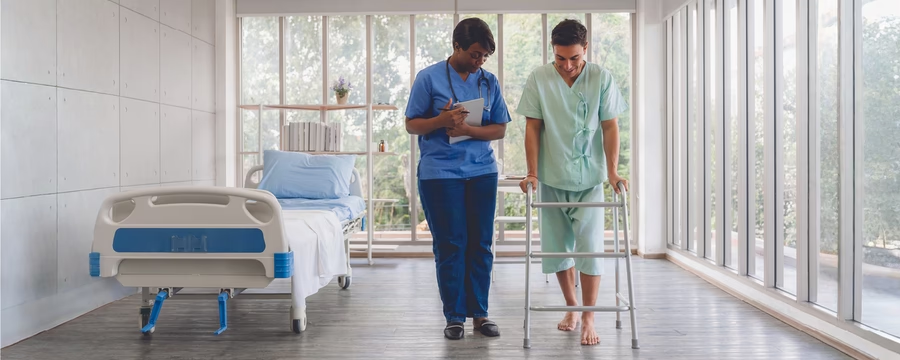
Traumatic Brain Injury (TBI) recovery rarely moves in a straight line. One day may bring clearer speech, steadier movement, or better focus. Another may bring fatigue, frustration, or a body signal that arrives too late to respond to.
Bladder and bowel changes can be part of that recovery picture. According to research published in the Journal of Experimental Neurology, bladder changes and incontinence are common after TBI, especially in earlier stages of recovery.
Why TBI Can Affect Bladder and Bowel Control
TBI can interfere with the brain’s ability to recognize, interpret, and act on bladder or bowel signals. For some people, the issue is urgency. For others, it may be reduced awareness, slower movement, trouble communicating needs, medication effects, constipation, or difficulty sequencing the steps involved in getting to the bathroom.
This can be especially hard because the person may understand what is happening but not respond quickly enough. Or they may be improving in other areas while continence recovery takes more time.
Incontinence is very common, often treatable, and can be very manageable.
What Recovery May Look Like Over Time
Bladder control can change across different stages of TBI recovery. In early recovery, accidents may happen because the body and brain are still stabilizing. During rehabilitation, patterns may become easier to spot. Later, some people regain more control, while others continue using products, therapy strategies, or caregiver support.
According to the Brain Injury Association of America, one large TBI study found bowel control loss was common at inpatient rehabilitation admission but decreased substantially by discharge and again at one year. That matters because it gives families a more realistic frame: early incontinence does not always mean permanent incontinence.
The Part Families Do Not Always Expect
After TBI, incontinence may be less about the bladder alone and more about timing.
A person may need extra seconds to process the urge. They may need help transferring from a chair, removing clothing, or navigating a bathroom safely. Fatigue can also make evening and overnight accidents more likely, even if daytime control is improving.
For caregivers, this can feel emotionally complicated. The goal is to protect the person’s privacy and dignity while also preventing skin irritation, bedding changes, interrupted sleep, and rushed transfers that increase fall risk.
Choosing Protection During TBI Recovery
During recovery, incontinence products need to do more than absorb. They need to support real-life care: side changes, overnight rest, limited mobility, skin dryness, and comfort during therapy or daily movement.
For Heavy Bladder Leaks (HBL), MEGAMAX® diaper-style briefs with tabs can be helpful when maximum absorbency, secure structure, and easier assisted changes are priorities. MegaMax is designed with a durable plastic backing to provide strong leak protection for up to 12 hours* and help prevent sagging during extended wear.
If heat, sensitivity, or breathability is a concern during recovery, MEGAMAX® AirLock™ provides a breathable, cloth-like exterior with airflow while maintaining absorbency.
For lighter bowel leaks or bowel urgency, DynaDry® Supreme liners combine the discretion of a pad with absorbency levels closer to lighter diaper-style briefs. A healthcare provider or rehabilitation team can help identify whether bladder, bowel, mobility, medication, or cognition is driving the pattern.
*An immediate change is required after a bowel movement.
Protecting Skin, Sleep, and Dignity
TBI recovery already asks a lot from the person and their support system. Reliable protection can reduce the number of urgent cleanups, clothing changes, and nighttime disruptions.
Helpful support may include:
-
High-absorbency briefs for overnight or longer rest periods
-
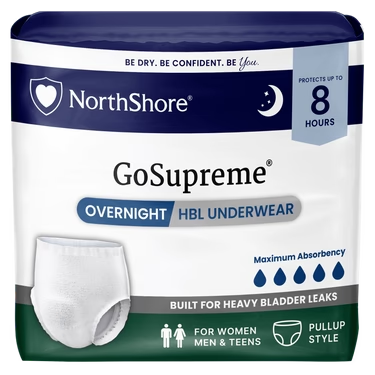
Pull-up style underwear for more active stages of recovery
-
Booster pads such as EternaDry® when added absorbency is needed
-
MagicSorb® Air underpads for beds, chairs, wheelchairs, or therapy spaces
-
Supreme Quilted Wipes for gentle cleanup
-
DiscreetShield™ Disposal Bags with opaque material, odor-masking scent, and easy-tie handles
The product choice may change as recovery changes. What works during inpatient rehab may not be the same fit months later at home.
Working With the Rehabilitation Team
Bladder and bowel changes after TBI are worth discussing with the care team. Rehabilitation may involve physicians, nurses, occupational therapists, physical therapists, speech-language pathologists, and caregivers, depending on the person’s needs. Rehab after TBI can include multiple therapies and support systems tailored to the effects of the injury.
Keeping a simple bladder and bowel tracking diary can make conversations with various different health professionals and care teams far more productive. Over several days or weeks, patterns often start to emerge — including when leaks happen most often, whether urgency is present, and whether factors like fatigue, transfers, clothing, medication changes, constipation, skin irritation, or overnight wettings are contributing.
It can also help identify when product fit or absorbency is no longer matching the person’s needs. Looking at the bigger picture this way helps care teams better understand whether challenges are related primarily to bladder or bowel function, mobility, cognition, communication, or day-to-day care routines.
Moving Forward With More Support
TBI recovery can be physically and emotionally demanding. Incontinence adds another layer, but it does not erase progress. With the right rehabilitation support, practical care systems, and reliable protection, daily life can feel less reactive and more manageable.
NorthShore’s Customer Care Experts can help match absorbency, fit, and product style to the person’s current stage of recovery. You can also request a free sample, just pay for shipping, to try different options before choosing a routine.
Frequently Asked Questions
Can Traumatic Brain Injury cause incontinence?
Yes. TBI can affect bladder and bowel control by changing brain-body communication, awareness, mobility, timing, and the ability to respond to urges.
Does incontinence after TBI always last forever?
Not always. Some people improve as recovery progresses, while others need longer-term management. Patterns often change between acute care, rehabilitation, and home recovery.
What type of incontinence product is helpful after TBI?
It depends on mobility, absorbency needs, caregiver support, and whether bladder leaks, bowel leaks, or both are involved. MegaMax diaper-style briefs with tabs may help with maximum absorbency and assisted changes, while GoSupreme pull-up style underwear may work well for more active recovery stages.
When is it time to ask for help with TBI-related incontinence?
Any new or changing bladder or bowel issue after TBI is worth discussing with a healthcare provider or rehabilitation team, especially if it affects sleep, skin, safety, therapy participation, or daily confidence.
Products Mentioned In This Article




More Helpful Tips & Resources


About NorthShore Care Supply
Founded in 2002, NorthShore Care Supply helps individuals and caregivers find the right protection for heavier leaks, overnight needs, and daily confidence. As the maker of NorthShore® Adult Diapers, we lead in high-performance protection for Heavy Bladder Leaks (HBL) and support #EndHealthStigma. Our expert Customer Care team provides private, compassionate guidance to help people choose products that fit their needs and lifestyle. Follow us on LinkedIn and Facebook @NorthShoreCareSupply, Twitter, Instagram and TikTok @NorthShoreCare.
Access your List
Connect on social:


