Diabetic Neuropathy and Bladder Control: The Hidden Connection

Key Takeaways
-
Diabetic neuropathy can affect the nerves that control bladder function, leading to urgency, retention, or incontinence.
-
Bladder changes may develop gradually and are often overlooked as part of diabetes management.
-
Early recognition, symptom tracking, and medical guidance can help improve outcomes and daily comfort.
-
NorthShore® protection is designed for higher output and unpredictable bladder patterns and can help stop leaks.
When managing diabetes, most people focus on blood sugar levels, diet, and circulation. But according to The American Diabetes Association, there is another complication that often goes unrecognized — how nerve damage from diabetes can affect bladder control.
If you have noticed changes like urgency, difficulty emptying your bladder, or unexpected leaks, diabetic neuropathy may be part of the picture. Understanding this connection is the first step toward finding solutions that support your comfort, confidence, and overall health.
How Does Diabetic Neuropathy Affect the Bladder?
Diabetic neuropathy occurs when high blood sugar over time damages nerves throughout the body. While it is often associated with the hands and feet, it can also affect the nerves that control the bladder.
These nerves play a key role in signaling when the bladder is full and coordinating muscle function to empty it properly. When they are disrupted, several changes can occur:
-
Reduced sensation — you may not feel the urge to urinate until the bladder is very full
-
Urgency — sudden, intense urges that are difficult to control
-
Retention — difficulty fully emptying the bladder
-
Leaks — especially if the bladder becomes overfilled
The goal is simple — stay engaged in the activities you love, with the confidence that you are prepared.
What Are the Early Signs to Watch For?
Bladder changes linked to diabetic neuropathy often develop gradually, which can make them easy to overlook at first.
Common early signs include:
-
Needing to urinate more frequently, especially at night
-
Feeling like your bladder is not fully empty after using the restroom
-
Experiencing sudden urges that are difficult to delay
-
Occasional leaks when you cannot reach a restroom in time
Because these symptoms can overlap with other conditions, it is important to pay attention to patterns over time..
Keeping a simple symptom diary — noting when leaks occur, fluid intake, and any triggers — can help identify trends and provide useful information for your healthcare provider.
When Should You Talk to a Healthcare Provider?
If you are experiencing changes in bladder function and have diabetes, it is important to bring this up with your healthcare provider.
Early evaluation can help determine whether neuropathy is contributing to your symptoms and identify appropriate next steps. This may include:
-
Reviewing blood sugar management
-
Assessing bladder function
-
Recommending lifestyle strategies or treatments
Consider seeking guidance if symptoms are worsening, interfering with daily life, or affecting sleep.
Open communication is key — your provider is there to help you manage the full picture of your health.
What Kind of Protection Works for Unpredictable Bladder Changes?
With diabetic neuropathy, bladder signals don’t always arrive in time — or may not arrive at all. That can mean dealing with both delayed emptying and sudden release, which requires a different kind of protection than light, occasional leaks.
For those managing Heavy Bladder Leaks (HBL), products designed to handle multiple wettings can help reduce the impact of that unpredictability. Options like NorthShore MEGAMAX® diaper-style briefs are built with MVP™ (Multi-Void Protection), allowing the absorbent core to quickly draw fluid away and maintain dryness across repeated wettings. Features like tall leak guards and a secure, body-close fit help keep protection in place, even during longer wear.
If you prefer a pull-up style, GoSupreme® offers protection for HBL in a more flexible design. It uses a high-capacity core with the same multi-void approach, but in a style that feels more like everyday underwear, making it easier to manage during active parts of your day or when independence is a priority.
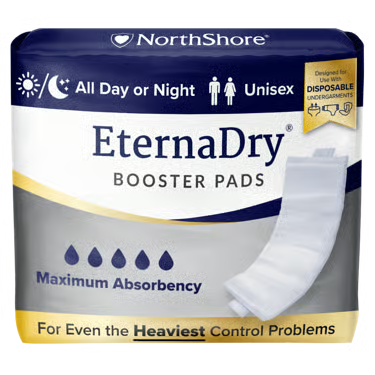
When bladder patterns are less predictable — such as with retention followed by sudden release — adding a booster pad like EternaDry® can help increase capacity without requiring a full change. As the pad fills, fluid passes through to the primary product, extending wear time while helping maintain dryness.
The goal is not just absorbency, but having protection that works with how your body is responding — even when that response changes from day to day.
What Kind of Protection Works for Unpredictable Bladder Changes?
Managing diabetic neuropathy and bladder changes is about more than symptom control — it is about maintaining quality of life.
Staying active, engaged, and connected can support both physical and emotional well-being. Even small, consistent routines can make a meaningful difference.
It is also important to be patient with yourself. Changes may take time to understand and manage, but progress is possible with the right approach.
Take Control of the Connection
The link between diabetic neuropathy and bladder control may be hidden, but it is not something you have to manage alone.
By recognizing the signs, working with your healthcare provider, and building supportive daily habits, you can take meaningful steps toward greater comfort and confidence.
Why not try some products through the NorthShore Sample Program, with free samples (just pay for shipping), to compare options at home. NorthShore’s Customer Care Experts are always on hand to guide you to find the right fit and absorbency for your needs.
Frequently Asked Questions
Q: Can diabetic neuropathy cause incontinence?
A: Yes. Nerve damage from diabetes can affect bladder control, leading to urgency, retention, or leakage.
Q: Is bladder dysfunction from neuropathy reversible?
A: It depends on the extent of nerve damage. Managing blood sugar levels and following medical guidance can help improve symptoms and prevent progression.
Q: What is the best way to manage bladder symptoms with diabetes?
A: A combination of medical care, daily routines, and reliable incontinence products can help manage symptoms effectively.
Products Mentioned In This Article


More Helpful Tips & Resources



About NorthShore Care Supply
Founded in 2002, NorthShore Care Supply helps individuals and caregivers find the right protection for heavier leaks, overnight needs, and daily confidence. As the maker of NorthShore® Adult Diapers, we lead in high-performance protection for Heavy Bladder Leaks (HBL) and support #EndHealthStigma. Our expert Customer Care team provides private, compassionate guidance to help people choose products that fit their needs and lifestyle. Follow us on LinkedIn and Facebook @NorthShoreCareSupply, Twitter, Instagram and TikTok @NorthShoreCare.
Access your List
Connect on social:


