
Types  •  Life Stages  •  Products  •  Support
According to the National Association for Continence (NAFC), 1 in 2 women experience some form of incontinence,¹ and women are about twice as likely as men to experience urinary incontinence.⁹ Bladder leaks can show up during everyday moments, sometimes with little warning. For some women, they are connected to changes during pregnancy or menopause. For others, they may be related to an underlying health condition. 
Leaks can feel personal, frustrating, and hard to put into words. It doesn’t have to stay that way. Female urinary incontinence is very common, often treatable, and regardless, can be very manageable. This guide explores the different types of urinary incontinence women may experience, what can contribute to them, and how each one is managed, while also looking at how bladder leaks can change across different stages of a woman’s life.
What is Female Urinary Incontinence?
Female urinary incontinence is the involuntary loss of bladder control in women. It is a group of different conditions with no single cause,¹ which is why two women with bladder leaks can have such different experiences. Some women experience occasional drops or light dribbles, while others have frequent, heavier leaks and even full bladder releases throughout the day or night.
Incontinence is also very common throughout a woman’s life. NAFC reports that half of patients managing incontinence are under the age of 50.¹ Yet many women do not bring up bladder leaks with their healthcare providers, waiting an average of 6 to 8 years after symptoms begin before seeking professional help.¹
Two systems play a major role. The first is the pelvic floor, which is a network of muscles that supports bladder control. When those muscles become weakened, holding urine can become more difficult.² The second is the nervous system. The brain and bladder are in constant communication, and when that communication breaks down, leaks can follow.¹
That’s why there isn’t one answer for how to manage bladder leaks. The first step is understanding what kind of leaks are being experienced and what may be causing them.
1 in 2
Women experience some form of incontinence.
Under 50
Half of patients managing incontinence are under the age of 50.
Up to 6 years
Average wait before women seek professional help.
What Are the Different Types of Female Urinary Incontinence?
There are five main types of urinary incontinence covered here. The symptoms can overlap, and some women experience more than one type. Knowing which type (or combination) is involved can help identify possible causes and determine which management options may be appropriate. For a broader look at incontinence in all adults, including bowel leaks, see NorthShore’s Incontinence 101 guide.
Type What it feels like Often linked to
Stress Leaks when coughing, sneezing, laughing, lifting, or exercising. Weakened pelvic floor, pregnancy, childbirth, menopause
Urge A sudden, strong urge, sometimes followed by a leak Overactive bladder, hormonal changes, nerve conditions, bladder irritants
Overflow Frequent dribbling and a feeling of not fully emptying A blockage or disrupted nerve signals
Functional The bladder works, but reaching the bathroom in time is hard Mobility, memory, or environment barriers
Mixed
A combination, most often stress and urge Varies by the types involved

Stress Incontinence

Urge Incontinence

Overflow Incontinence

Functional Incontinence

Mixed Incontinence

How Bladder Leaks Change Across a Woman's Life

Bladder control can change at different stages of life. Pregnancy, childbirth, hormonal changes, and aging can all affect the muscles, tissues, and nerves involved in bladder control.

According to NAFC, about 30% of women in their 30s experience some form of incontinence, and that number increases to more than 50% among women in their 50s and beyond.12 That doesn't mean every woman will experience incontinence at each stage. It simply means that bladder leaks can become more likely at certain points in life, and some life stages bring especially noticeable changes.

30%

of women in their 30s experience some form of incontinence12

Right Arrow


50%+

of women in their 50s and beyond experience some form of incontinence12

STAGE 1
Pregnancy Icon

 Pregnancy

Roughly 40% to 50% of women experience some form of urinary incontinence during pregnancy, and about half of all pregnant women have stress incontinence specifically by the time they deliver.¹³ Pregnancy adds pressure on the bladder and can stretch the pelvic floor muscles that help support bladder control, which helps explain why leaks are so common at this stage. 
Those changes make everyday movements like coughing, sneezing, laughing, and exercising more likely to trigger a leak. For some women, the leaks stop after pregnancy. For others, they continue after delivery and become an ongoing concern.
Pelvic floor muscle training during pregnancy may lower the chance of leaks after birth. Treatment plans that pair pelvic floor muscle training with techniques such as biofeedback or stimulation have improved symptoms by more than 70%.¹³
STAGE 2
 Later in Life Icon

  Postpartum

For many new moms, leaks don’t stop once the baby arrives. The physical changes of pregnancy and childbirth can continue to affect bladder control after delivery, especially if the pelvic floor was injured during delivery. About 1 in 3 women experience bladder leaks after childbirth, and up to 30% are still experiencing symptoms a year later. Leaks are even more common after vaginal delivery: women who deliver vaginally report nearly double the rate of incontinence of those who have a cesarean delivery.¹³
The postpartum period can also make it easy to put bladder leaks on the back burner. With a newborn to care for and a body in recovery, plenty of other things are demanding attention, and more than 50% of women expect their bladder leaks to improve on their own.¹³ But these issues don’t necessarily disappear with time. When care is delayed or symptoms go untreated, bladder control issues may get worse or show up again later in life.
For women whose symptoms persist, getting help early can be worthwhile. A healthcare provider or pelvic floor physical therapist can recommend options, including the pelvic floor muscle training covered above.
 
STAGE 3
 Perimenopause and Menopause Icon

Perimenopause and Menopause

The years leading up to and following menopause can bring even more noticeable changes in bladder control. As hormone levels change, the tissues and muscles involved in bladder control can also be affected. Up to 40% of women experience new or worsening bladder leaks during perimenopause, while 50% to 60% of women experience urinary incontinence after menopause.¹⁴
Estrogen plays an important role in the health of the bladder and urethra. As estrogen levels decrease during menopause, changes to these tissues can make it harder to control urination.¹⁵ This can contribute to stress or urge incontinence, more frequent trips to the bathroom, waking up at night to urinate, and more frequent UTIs.
Changes from earlier stages of life can also become more noticeable during menopause. Pelvic floor damage from vaginal childbirth, for example, may contribute to bladder control problems that become more apparent as the body changes.¹⁵
For women whose symptoms are affecting daily life, a healthcare provider may discuss management options such as the lifestyle changes and exercises covered earlier or, when appropriate, hormone-based treatment options.¹⁵
STAGE 4
 Later in Life Icon

  Later in Life

As women get older, natural changes in muscle strength and bladder capacity can affect bladder control. Other health conditions, medications, neurological changes, and mobility challenges can also contribute to bladder leaks. For some women, these factors can make it harder to recognize the need to use the bathroom, hold urine long enough, or reach the bathroom in time. Functional incontinence becomes especially common when mobility or memory problems, or other chronic conditions, are involved.11
None of this means bladder leaks are simply an inevitable part of getting older. When symptoms develop or change, identifying what is contributing to them can help determine the right approach to management.
For women at this stage, and for the family members and caregivers helping them, the right combination of medical care, home adjustments, and reliable products can go a long way.

Choosing the Right Incontinence Products for Women  

Treatment can take time, and for some women, leaks are a longer-term part of life. Understanding the type of incontinence is an important first step, and finding protection to match can make life more manageable.

What to Look for in an Incontinence Product  

 Choosing Icon

Choosing the Right Absorbency

The goal isn't to automatically choose the highest absorbency or the most discreet option. It's to find protection that fits the individual’s needs, and leak level is an important factor in determining the right protection. 
Light Bladder Leaks (LBL) generally involve smaller amounts of urine, such as occasional drops or light dribbles. Heavy Bladder Leaks (HBL) involve larger amounts of urine, more frequent leaks, or full bladder releases. The right level of absorbency depends on the amount and frequency of leaks, as well as when and where they tend to happen.
Research conducted on behalf of NorthShore found that more than 90% of incontinence product users placed greater importance on staying dry than on thinness or discretion. The best product is the one that works for the individual’s level of leaks and everyday routine.
 How to Find Icon

How to Find the Right Fit

Even the right product won’t perform well if it doesn’t fit correctly. A product that’s too loose can leak at the legs, while one that’s too tight can compress the absorbent core and irritate the skin.
The most reliable way to choose a size is to measure the waist and hips and compare those measurements with the sizing chart for the specific product. Sizing can vary between product styles, so the same size does not necessarily fit the same way across different products.

For anyone between sizes or unsure which product makes the most sense, NorthShore's Product Finder and Sample Program can help compare options before committing to a larger order.

  Why Period Pads Aren't a Substitute for Incontinence Pads

It can be tempting to reach for a menstrual pad when bladder leaks first start. They're familiar, they might already be in the cabinet, and grabbing a pack can feel less uncomfortable than shopping in the incontinence aisle. But period pads are designed for menstrual flow, not urine.

Period pads

  • Made for menstrual flow, not urine

  • Absorb more slowly than bladder control pads

  • Hold less fluid

Bladder control pads

  • Made for urine, which moves much more quickly than menstrual fluid

  • Absorb urine faster and draw it away from the body into an absorbent core

  • Absorb and hold more fluid than period pads

  • Wick moisture away from the skin to help it feel dry and reduce urine odor¹⁷

For women experiencing bladder leaks, using a product designed for urinary incontinence can provide protection that is better suited to the way urine flows.

Which Incontinence Products Work Best for Women?

The right protection depends on how much leakage is involved, when it tends to happen, and what the day looks like.
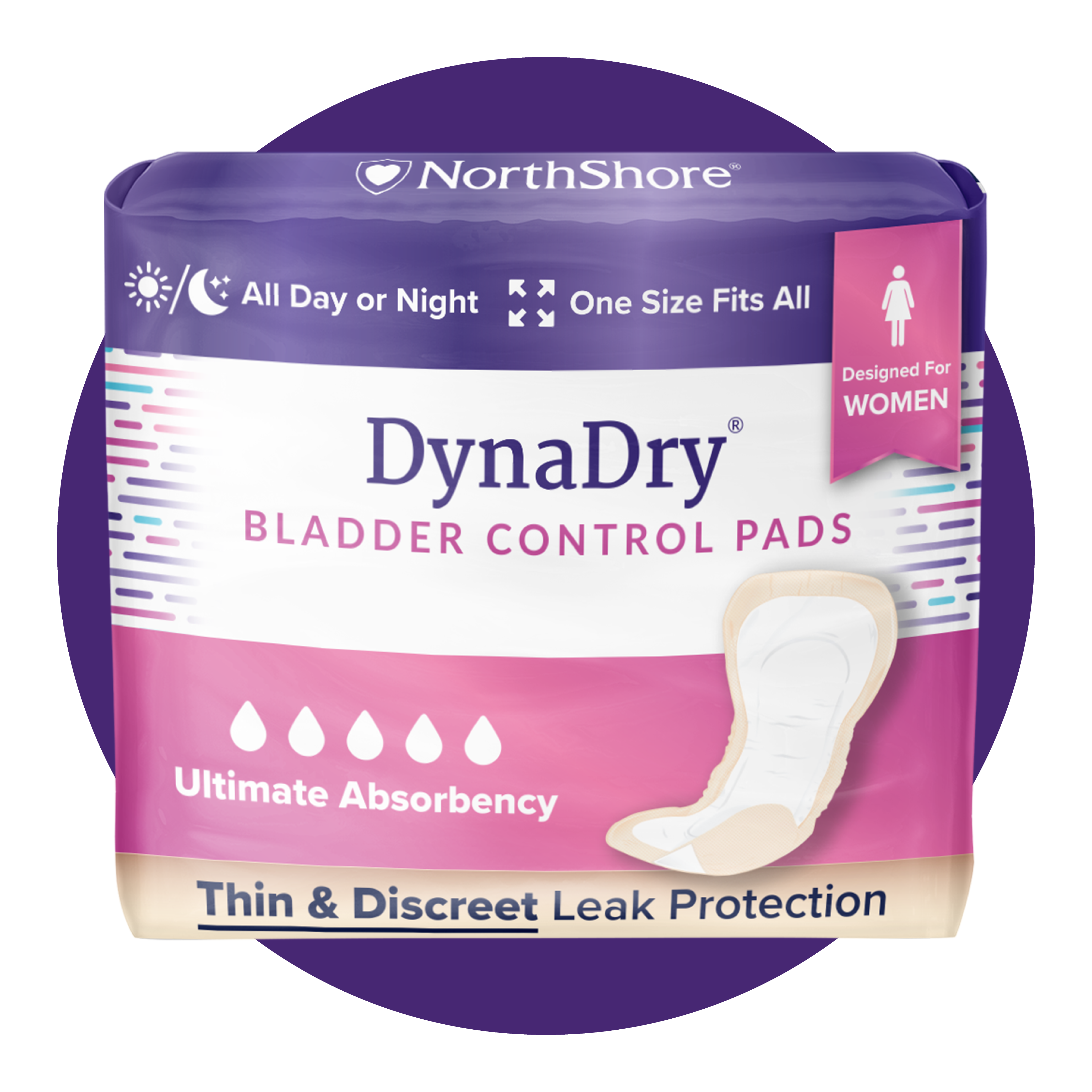
DynaDry
Light leaks, worn in regular underwear:
DynaDry® Bladder Pads
Contoured for women and built to absorb urine, not menstrual flow.
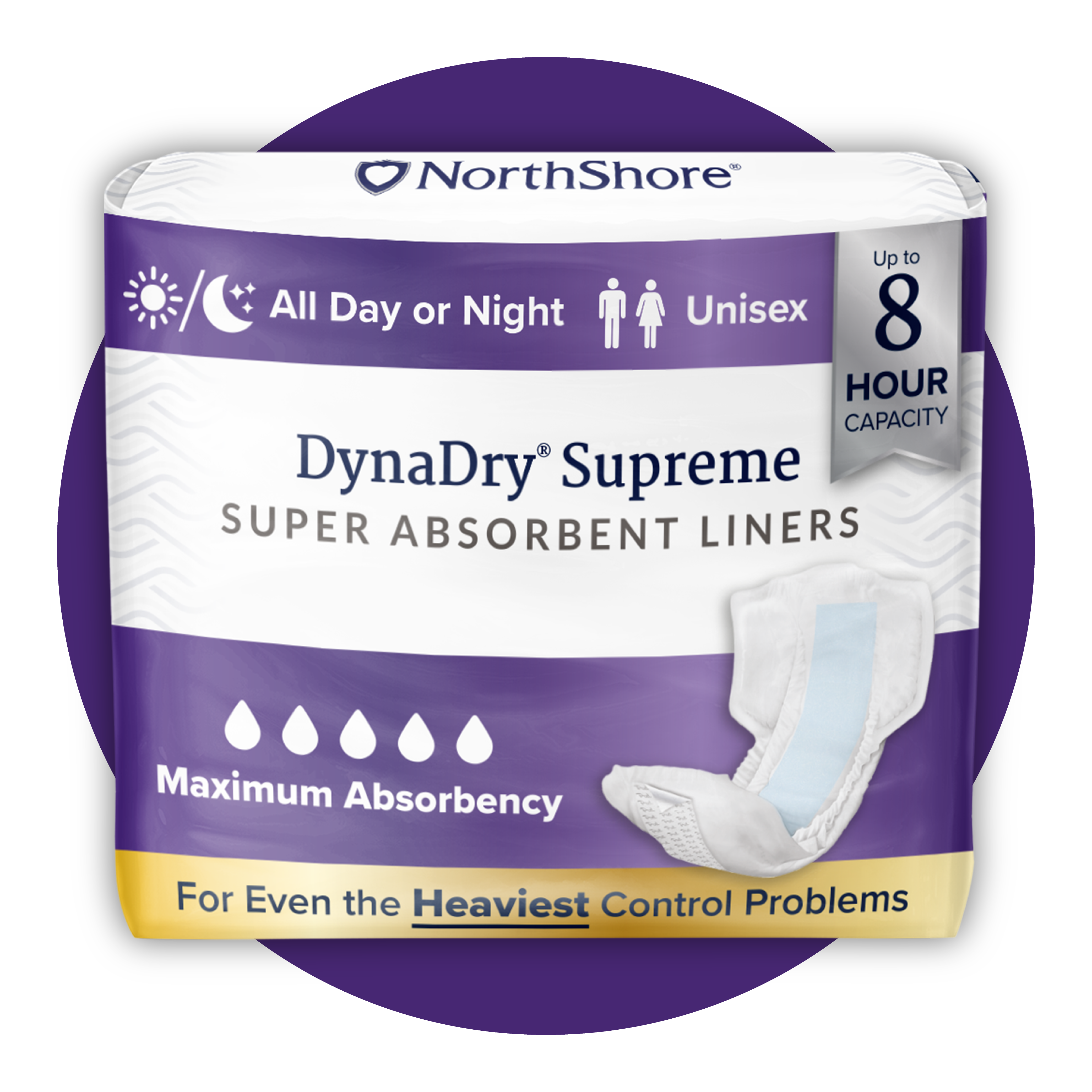
DynaDry Supreme
Moderate to heavy leaks, worn in regular underwear:
DynaDry® Supreme
Extra-long, highly absorbent liners with tall side leak guards, and quick changes without removing pants.
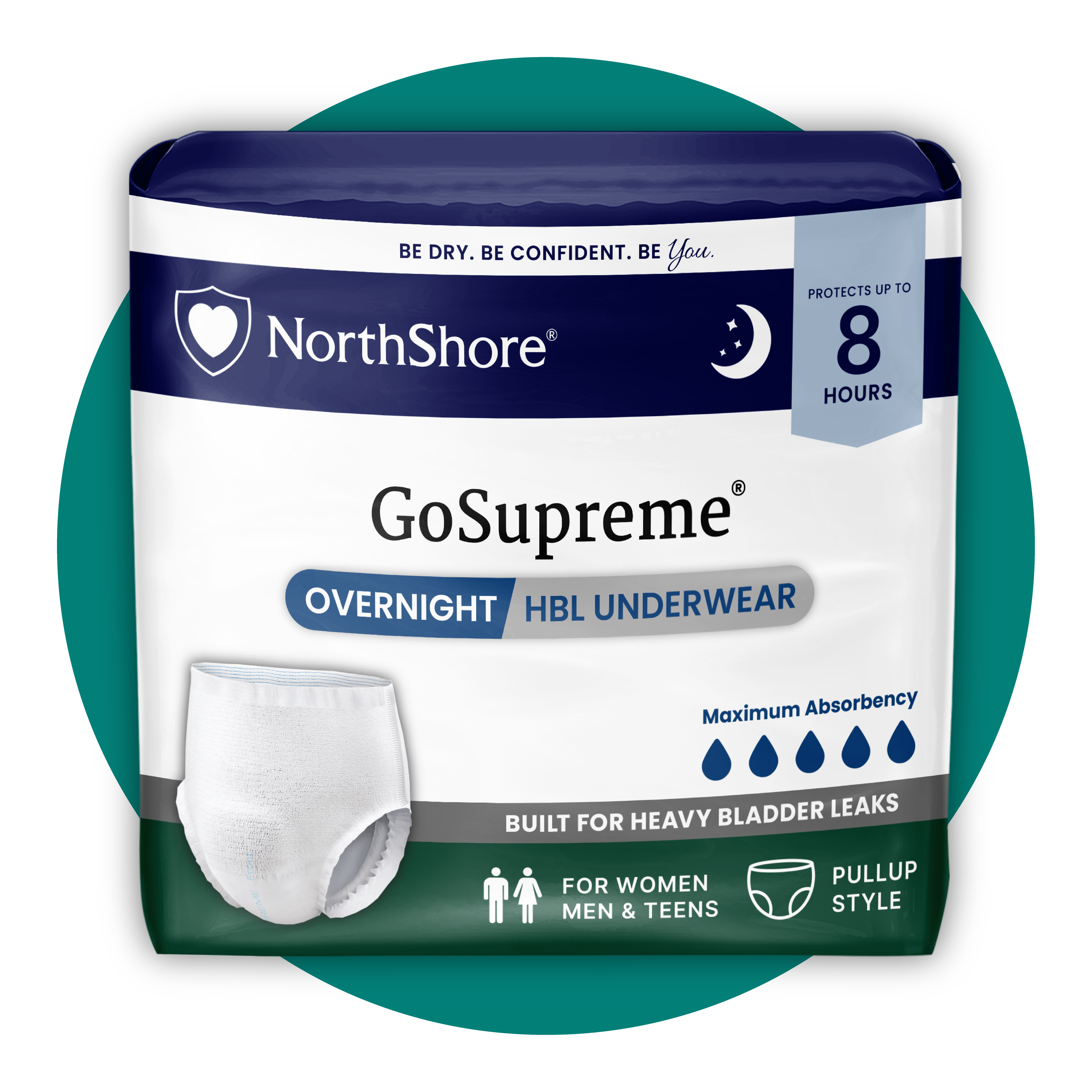
GoSupreme
Heavier leaks on active days:
GoSupreme® pull-up style underwear
Up to 8 hours of protection, with MVP™ (Multi-Void Protection) designed to handle up to 2 full bladder releases.
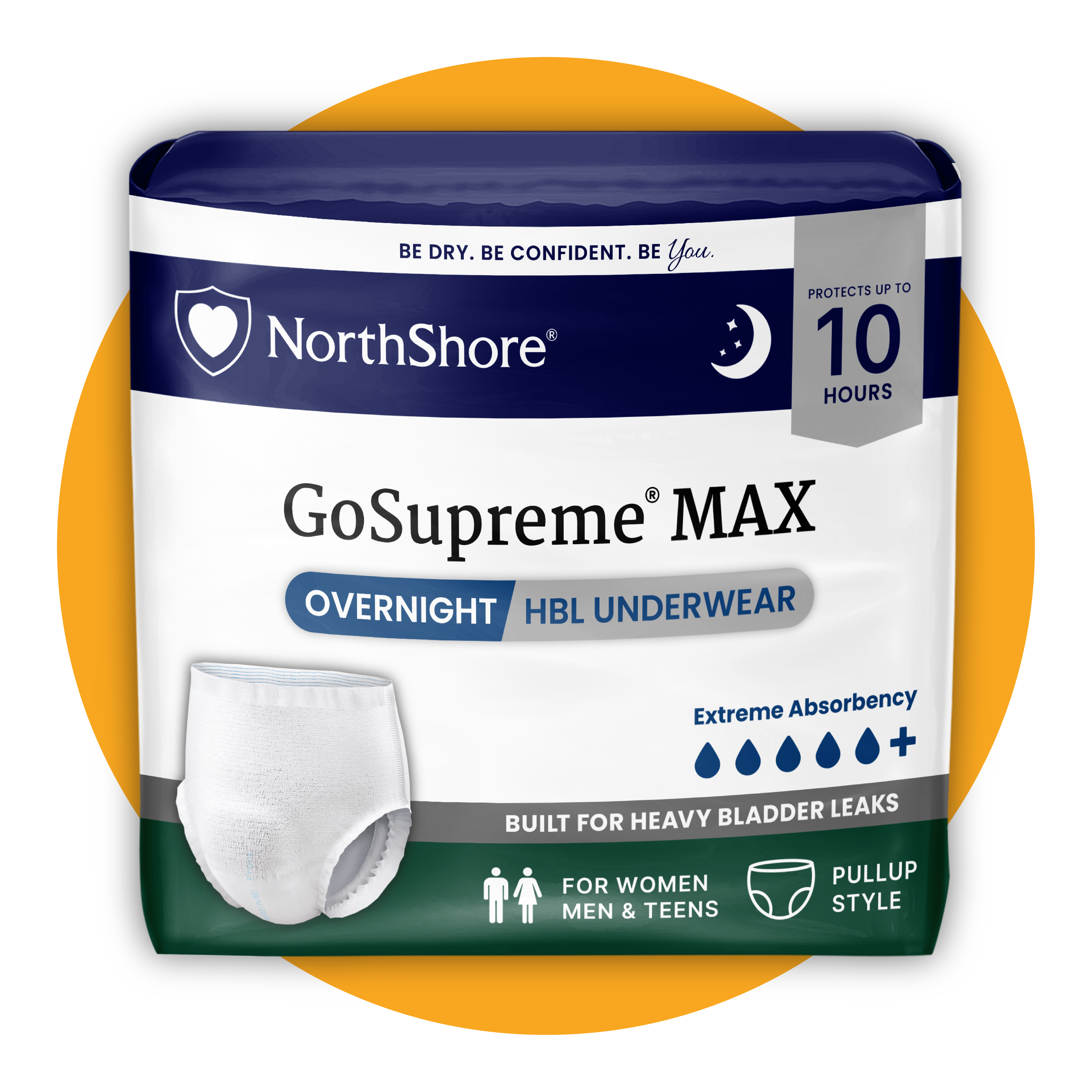
GoSupreme Max
Heavy leaks on long days or overnight, in a pull-on style:
GoSupreme Max pull-up style underwear
Up to 10 hours of protection and up to 3 full bladder releases, with the easy on and off of pull-up style underwear.
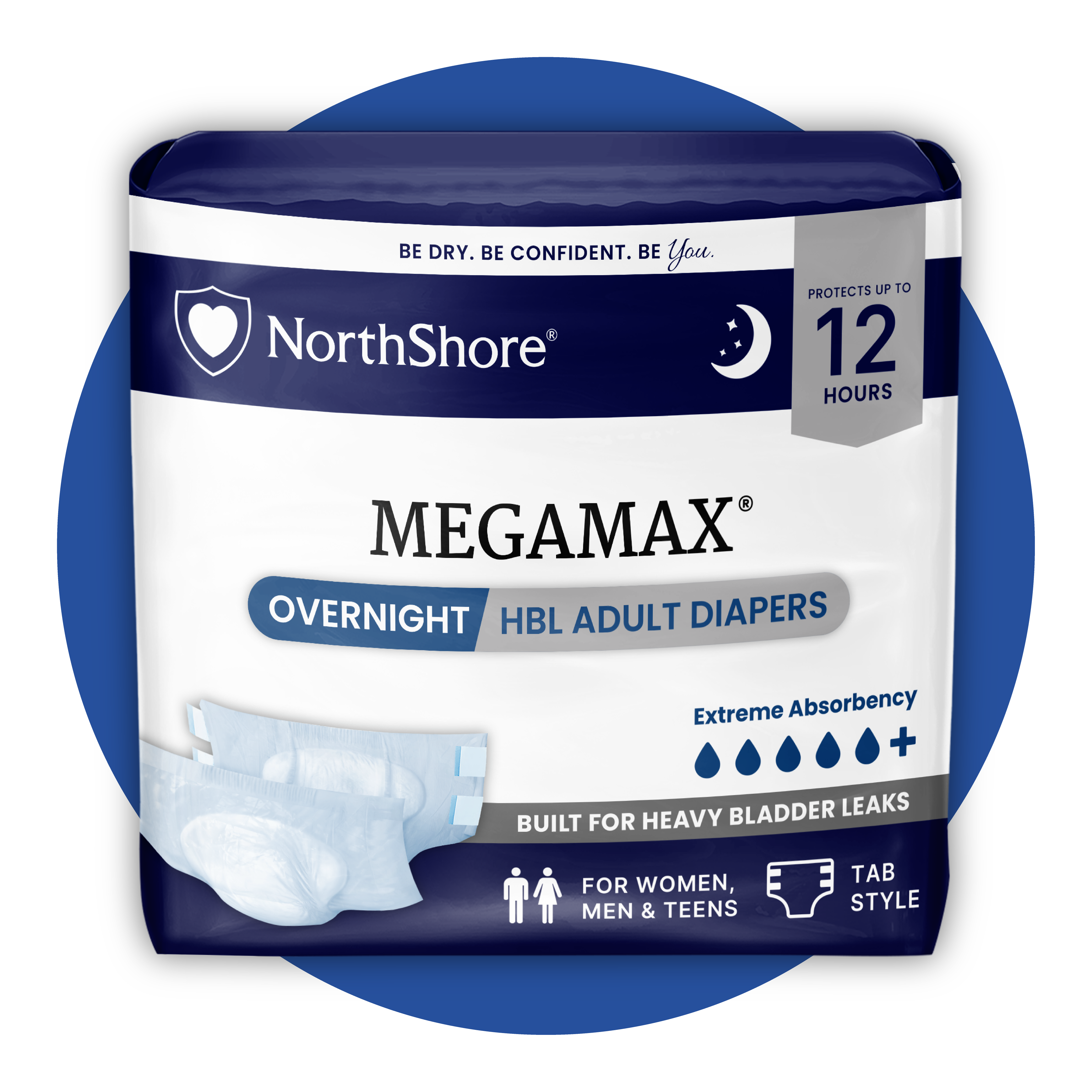
MegaMax
Heavy or overnight leaks, highest absorbency:
MegaMax® tab-style adult diapers
Up to 12 hours of protection and up to 4 full bladder releases, with refastenable tabs for an adjustable fit.
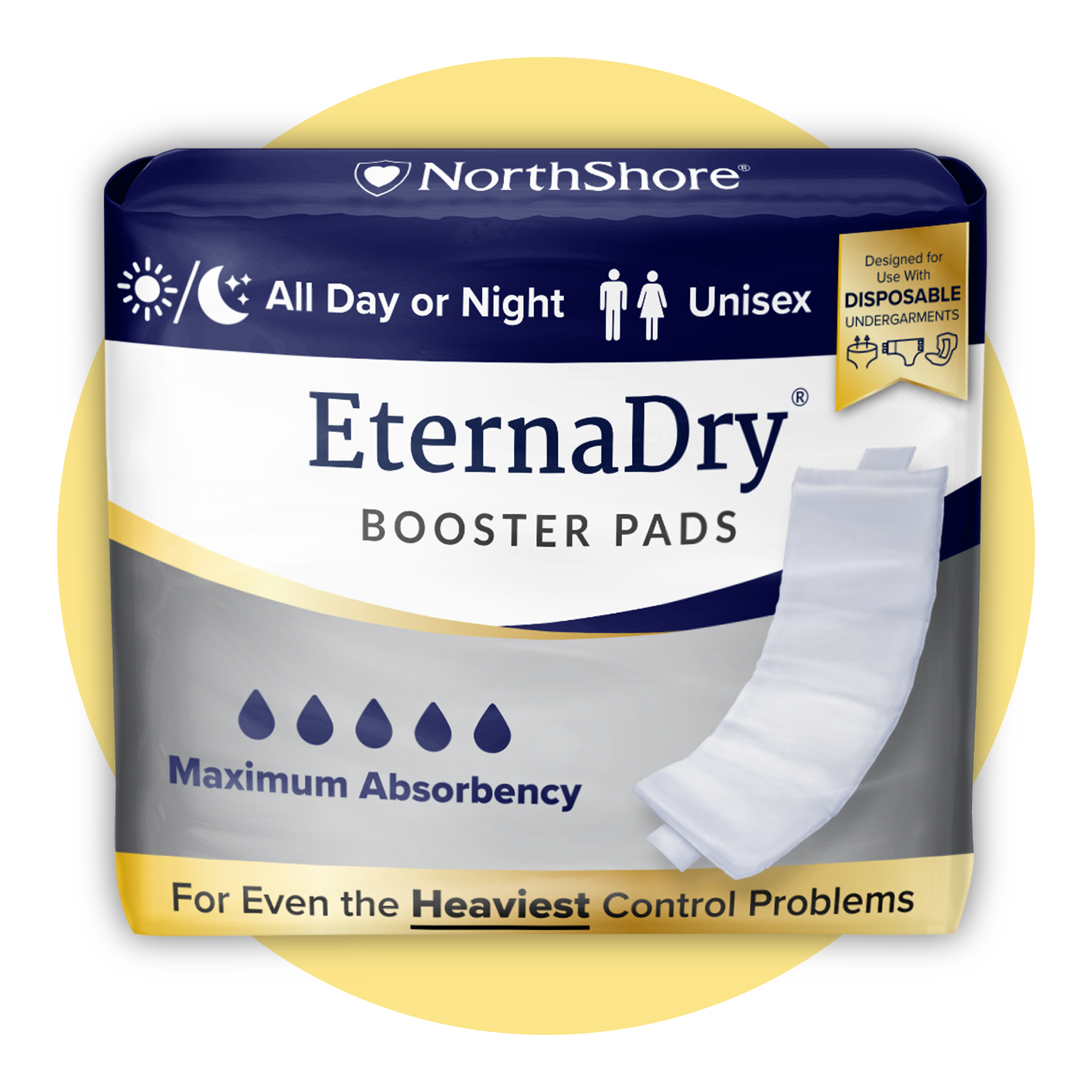
MegaMax
More time between changes:
EternaDry® booster pads
Adds absorbency inside pull-up style underwear or a tab-style adult diaper.

For a deeper, step-by-step breakdown of product types and how to match them to a routine, see NorthShore’s guide to choosing an adult diaper that fits your needs.
Supreme Wipes, MegaMax, and GoSupreme
Free Sample Program
Try Up to 6 Free Samples Before You Commit
A quick, 4-question quiz matches you with personalized recommendations that are delivered in a discreet, unmarked box. Orders placed by 7pm Central ship the same day (shipping charges apply).

Support for Women with Incontinence

Bladder leaks can affect more than physical health. They can change daily routines, confidence, sleep, and social life, and they can also feel isolating, especially when the subject has been difficult to talk about. But no one has to figure out bladder leaks alone. Support can come from healthcare providers, community groups, and resources that offer guidance, connection, and practical help along the way.
Community Resources Icon

Community Resources:

Sometimes the most helpful support comes from hearing from other people who understand what managing incontinence is actually like. NAFC provides education about bladder and bowel control and offers community forums where people can connect with others who have firsthand experience with incontinence.

Hero Club Icon

NorthShore Hero Club™

The NorthShore Hero Club™ offers another place to find those real-life experiences. Its stories come from people managing incontinence themselves, as well as caregivers and others in the NorthShore community. Seeing how other people have handled bladder leaks can make the experience feel less isolating and may make it easier to take the next step.

Sources
  1. National Association for Continence (NAFC). We Count: Measuring the Human Toll of Incontinence.
  2. National Association for Continence (NAFC). All About the Pelvic Floor.
  3. National Association for Continence (NAFC). Understanding Stress Urinary Incontinence in Women.
  4. National Association for Continence (NAFC). Stress Incontinence in Women.
  5. National Association for Continence (NAFC). We Count: Pelvic Floor Fact Sheet.
  6. Johns Hopkins Medicine. Urinary Incontinence in Women.
  7. National Association for Continence (NAFC). We Count: Overactive Bladder Fact Sheet.
  8. Cleveland Clinic. Overactive Bladder.
  9. U.S. Department of Health and Human Services, Office on Women’s Health. Urinary Incontinence.
  10. National Association for Continence (NAFC). Urinary Retention.
  11. Cleveland Clinic. Functional Incontinence.
  12. National Association for Continence (NAFC). Pelvic Floor Muscle Training Can Help Stop Bladder Leaks.
  13. National Association for Continence (NAFC). We Count: Pregnancy, Childbirth & Incontinence Fact Sheet.
  14. National Association for Continence (NAFC). We Count: Menopause & Incontinence Fact Sheet.
  15. University of Colorado Anschutz Medical Campus. Menopause & Urinary Symptoms.
  16. PDG Insights. NorthShore-commissioned consumer research on incontinence product experience (n=418, April–May 2026).
  17. National Association for Continence (NAFC). Why You Shouldn’t Use a Maxi-Pad for Incontinence.