What Caregivers Actually Need vs What the Market Tells Them
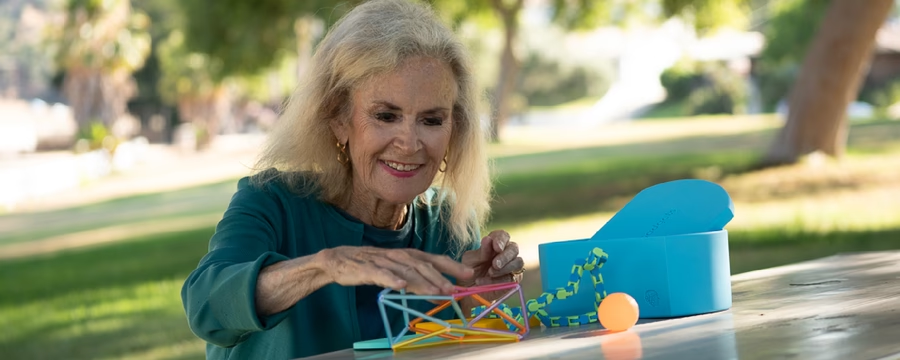
Guest Author Angela Fairhurst from Geri-Gadgets
There was a moment with my mom that changed everything for me.
She was restless. Agitated. Moving from one place to another, unable to settle. The assumption, from the outside, would have been that her dementia was getting worse.
But standing there with her, it didn’t feel like decline.
It felt like discomfort.
The problem was, she couldn’t tell me what was wrong.
So what did I do?
The same thing most caregivers do.
I tried to redirect her.
Turn on the TV.
Offer something to eat.
Suggest she sit down.
Nothing worked.
Because I wasn’t solving the problem.
I was reacting to the behavior.
And in that moment, I realized something I hadn’t understood before.
She wasn’t trying to be difficult.
She was trying to tell me something, without having the ability to say it.
And I had no way of hearing her.
The Gap No One Talks About
Caregiving products are often built around what’s easy to sell, not what’s really needed.
Absorbent products, safety products, monitoring tools, passive entertainment.
All important.
All necessary.
But they assume something that often isn’t true:
That the person can communicate their needs.
When that breaks down, everything changes.
Discomfort becomes agitation.
Bordeom becomes restlessness.
An unmet need becomes a "behavior."
And now the caregiver isn’t solving a problem.
They're managing a reaction.
What Actually Helps In The Moment
What I learned, slowly and sometimes the hard way, is that caregivers need tools that work in the moment something is happening.
Not later.
Not with instructions.
Not with a learning curve.
Something immediate.
Something intuitive.
Something that doesn’t require language.
Because when someone can’t explain what they need, you need another way in.
The Shift: From Managing Behavior To Meeting Need
That’s where everything started to change.
Instead of trying to stop the behavior, I started looking for ways to meet the need underneath it.
Sometimes that meant fixing something obvious.
And sometimes it meant giving her something she could engage with, something tactile, something hands-on, something that allowed her to focus and settle without having to explain why.
But it also had to be something I didn’t have to worry about.
In real caregiving, everything gets dropped, touched, carried around, and sometimes put in the mouth. If it’s not safe, washable, and durable, it doesn’t last and it creates more stress, not less.
That became as important as the engagement itself.
Where Design Actually Matters
That thinking is what led to Geri-Gadgets®.
Not as a product idea, but as a response to what was missing in those moments.
The materials had to be safe.
Non-toxic.
Durable enough for constant use.
Easy to clean, over and over again.
Medical-grade silicone made sense because it’s fully washable, non-toxic, and built for constant use.
But more importantly, it allowed for something else:
Hands-on engagement that supports focus, interaction, and moments of connection, without pressure, without instructions, and without needing language.
What Caregivers Actually Need
Caregivers don’t need more products.
They need:
-
the right tools that work without explanation
-
solutions that don’t add more steps
-
materials that are safe, washable, and built for real use
-
ways to reduce stress, not manage it
-
something that supports both the individual and the caregiver
Because caregiving isn’t theoretical.
It’s constant.
It's emotional.
And it happens in real time.
The Takeaway
What the market often gets wrong is thinking in categories.
What caregivers actually need is something that works in the moment things start to unravel.
Because when you can shift even one moment,
from agitation to engagement,
from stress to calm,
everything changes.
Angela Fairhurst from Geri-Gadgets
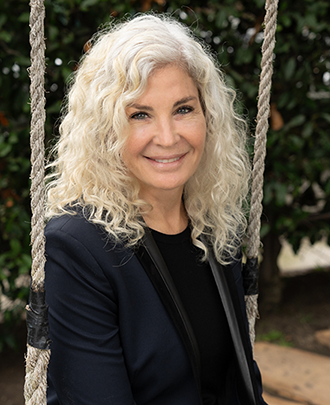
Angela Fairhurst is the Founder & CEO of Geri-Gadgets®, a line of safe, washable SafeTouch™ silicone sensory engagement kits – flowers, shapes and fidgets -designed to support individuals across a range of cognitive and physical abilities. Her work focuses on non-pharmacological approaches that help reduce stress, encourage hands-on engagement, and create meaningful moments of connection for individuals, caregivers, families, and care teams.
This post was written by a guest contributor. The opinions and experiences shared are their own and may not reflect the views of NorthShore. We love featuring different voices and hope this perspective adds to the conversation in a meaningful way.
More Helpful Tips & Resources



About NorthShore Care Supply
Founded in 2002, NorthShore Care Supply helps individuals and caregivers find the right protection for heavier leaks, overnight needs, and daily confidence. As the maker of NorthShore® Adult Diapers, we lead in high-performance protection for Heavy Bladder Leaks (HBL) and support #EndHealthStigma. Our expert Customer Care team provides private, compassionate guidance to help people choose products that fit their needs and lifestyle. Follow us on LinkedIn and Facebook @NorthShoreCareSupply, Twitter, Instagram and TikTok @NorthShoreCare.
Access your List
Connect on social:


